How a Stone Factory Recovered CNC Investment in 14 Months
Discover the complete financial blueprint for CNC bridge saw automation. Learn how precision manufacturing, labor efficiency, and material optimization combine to deliver measurable ROI in a stone fabrication business.
The Manual Cutting Bottleneck
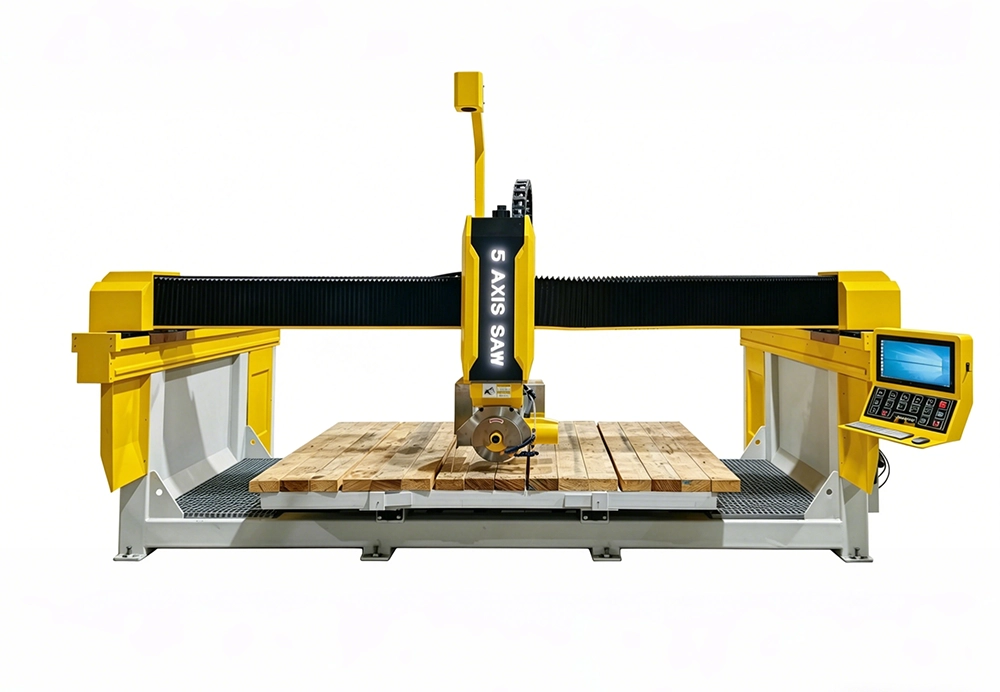
Before CNC automation, the factory relied on manual measurement and conventional bridge cutting. While skilled operators could produce acceptable parts, production consistency and throughput were limited by labor-intensive processes and operator experience.
High Operator Dependence
Output quality varied based on individual skill level
材料浪费
Inefficient nesting led to 8–12% waste on expensive slabs
Extended Rework
Dimensional errors cascaded into downstream costs
Manual Process
- 1.Manual measurement of slab dimensions
- 2.Marking cutting dimensions by hand
- 3.Positioning slab and aligning cutting line
- 4.Performing cuts with manual guidance
- 5.Rechecking dimensions and correcting errors
CNC Process
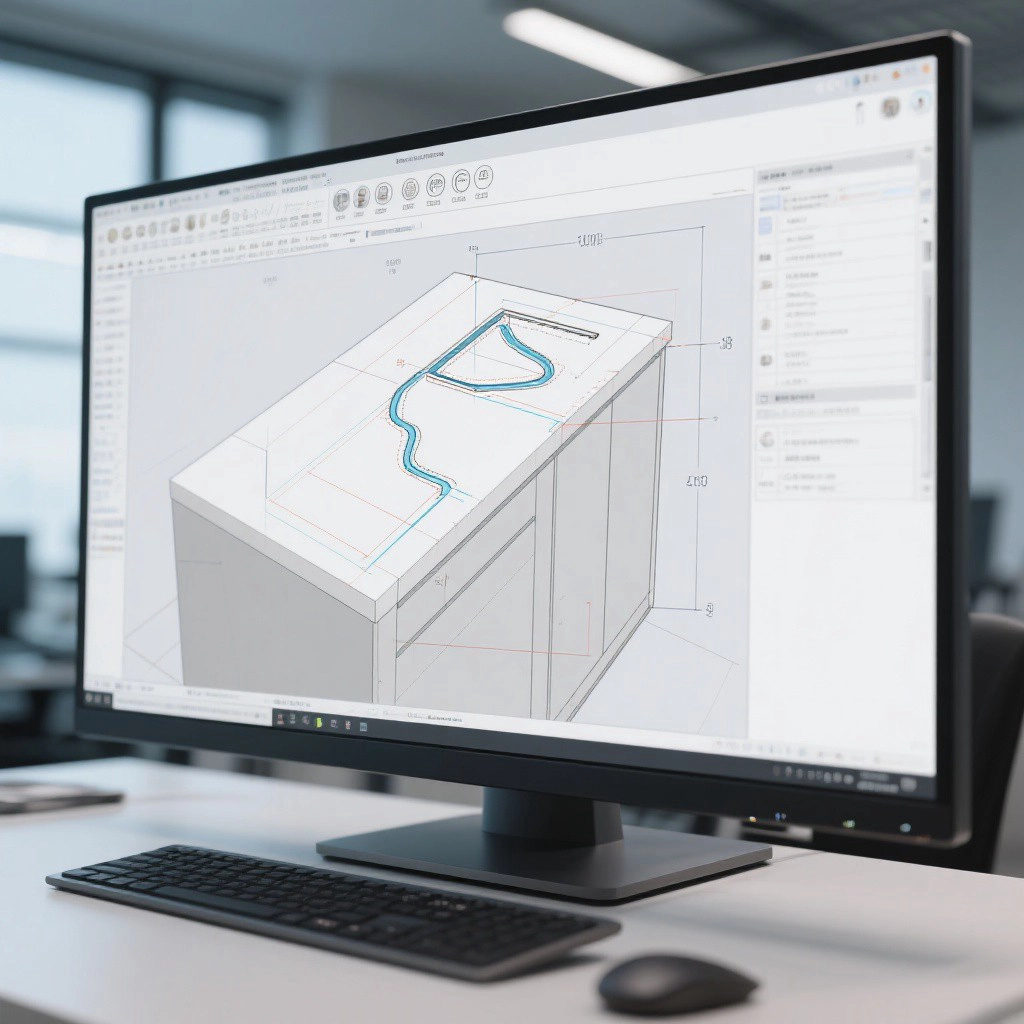
- 1.Digital design to CNC program transfer
- 2.Automated slab positioning and reference setup
- 3.Programmed cutting paths execute automatically
- 4.Dimensional consistency maintained automatically
- 5.Immediate quality verification and next component
The Investment Decision
The management team evaluated several options and chose CNC automation to eliminate production bottlenecks rather than simply increasing labor input.
Total Investment
CNC bridge saw + installation + training + tooling + initial commissioning
Expected Lifespan
Conservative depreciation schedule for financial modeling and ROI calculation
Monthly Benefit
Combined labor, material, rework, and production capacity improvements
The 14-Month Payback Calculation
How multiple operational improvements combined to create measurable financial returns
Total Investment
Monthly Benefit
Important: This calculation does not mean every stone factory will recover investment in exactly 14 months. Actual results depend on production volume, local labor costs, machine configuration, material prices, utilization rate, and product mix. This case illustrates the principle that CNC ROI comes from combined operational improvements.
The Complete Picture: Labor, Material & Capacity
Six operational improvements working together to create financial impact
人工成本降低
Manual cutting required multiple workers supporting measurement, positioning, cutting, handling, and inspection. After CNC automation, the workflow reorganized around a single CNC operator, with skilled workers reassigned to higher-value operations.
- Monthly savings: US$2,250
- Annual savings: US$27,000
- Operators retained in higher-value roles
Material Waste Optimization
Natural stone slabs are expensive. A small waste improvement on each slab becomes thousands of dollars across hundreds of slabs monthly. CNC digital nesting and precise cutting control reduced waste by 3–5 percentage points.
- Monthly savings: US$1,500
- 3–5% waste reduction on suitable orders
- Direct material cost recovery
Rework & Quality Control
A wrong dimension triggers much more than a second cut. Errors consume additional labor, machine time, replacement material, and scheduling delays. CNC dimensional repeatability eliminated most cutting errors.
- Monthly savings: US$600
- 85% reduction in error rate
- No downstream installation delays
Production Capacity Expansion
Manual cutting consumed considerable time in measurement, alignment, setup, and verification. CNC automation reduced manual intervention, allowing more components to pass through daily without expanding the facility.
- Monthly contribution: US$650
- 75% faster setup per component
- Meets peak demand without additional stations
CNC Workflow Integration
Once cutting information is generated digitally, the entire production process becomes easier to standardize and track.
Workflow Benefits
- Clearer connection between design and production
- Easy tracking of production status
- Repeat previously produced components instantly
- Reduced manual transcription and errors
- Standardized cutting procedures
- Predictable manufacturing process
Performance Matrix: Manual vs. CNC
Measurable improvements across key production metrics
| Performance Metric | Manual Process | CNC Process | 改进 |
|---|
Implementation Timeline
Typical project phases from planning to sustained production
Post-Implementation Success Factors
After reaching the payback milestone at month 14, continued operational improvements drive long-term value creation through reduced labor requirements, lower material waste, reduced rework, higher throughput, and improved consistency—all contributing directly to operating margin.
常见问题解答
Common questions about CNC automation for stone fabrication
Calculate Your CNC Bridge Saw ROI Today
Learn how to build a financial model based on your production volume, labor costs, material prices, and utilization rate to evaluate CNC automation for your stone fabrication business.
Trusted by stone fabricators worldwide. Get actionable insights to guide your automation investment.