Transform Manual Stone Cutting into CNC自动化
Overcome labor shortages, reduce material waste, improve precision, and expand capacity. Discover how small and medium-sized stone workshops are achieving sustainable growth with modern CNC bridge saw technology.
Trusted by 300+ manufacturers
Leading brands in stone fabrication

Manufacturing Partners
Years Industry Leadership
Precision Accuracy Rate
From Manual Tradition to Digital Precision
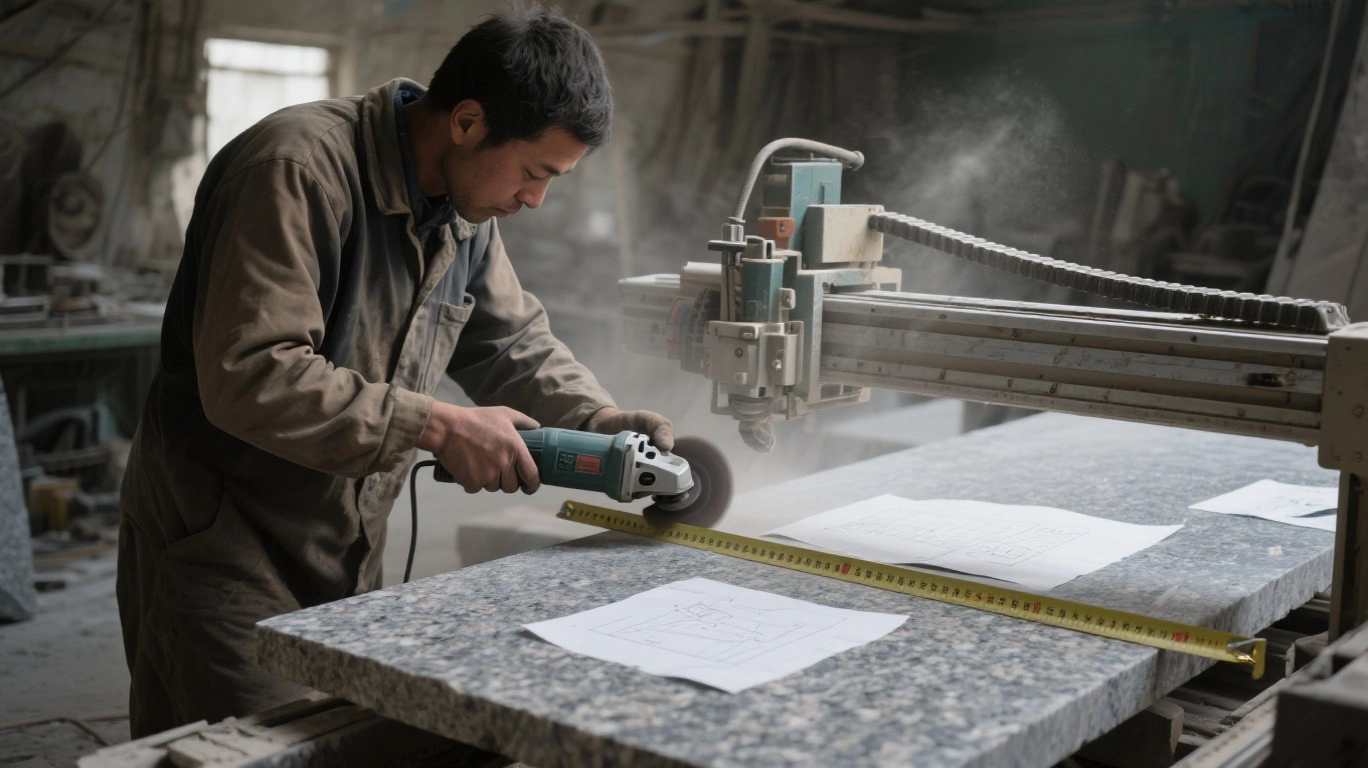
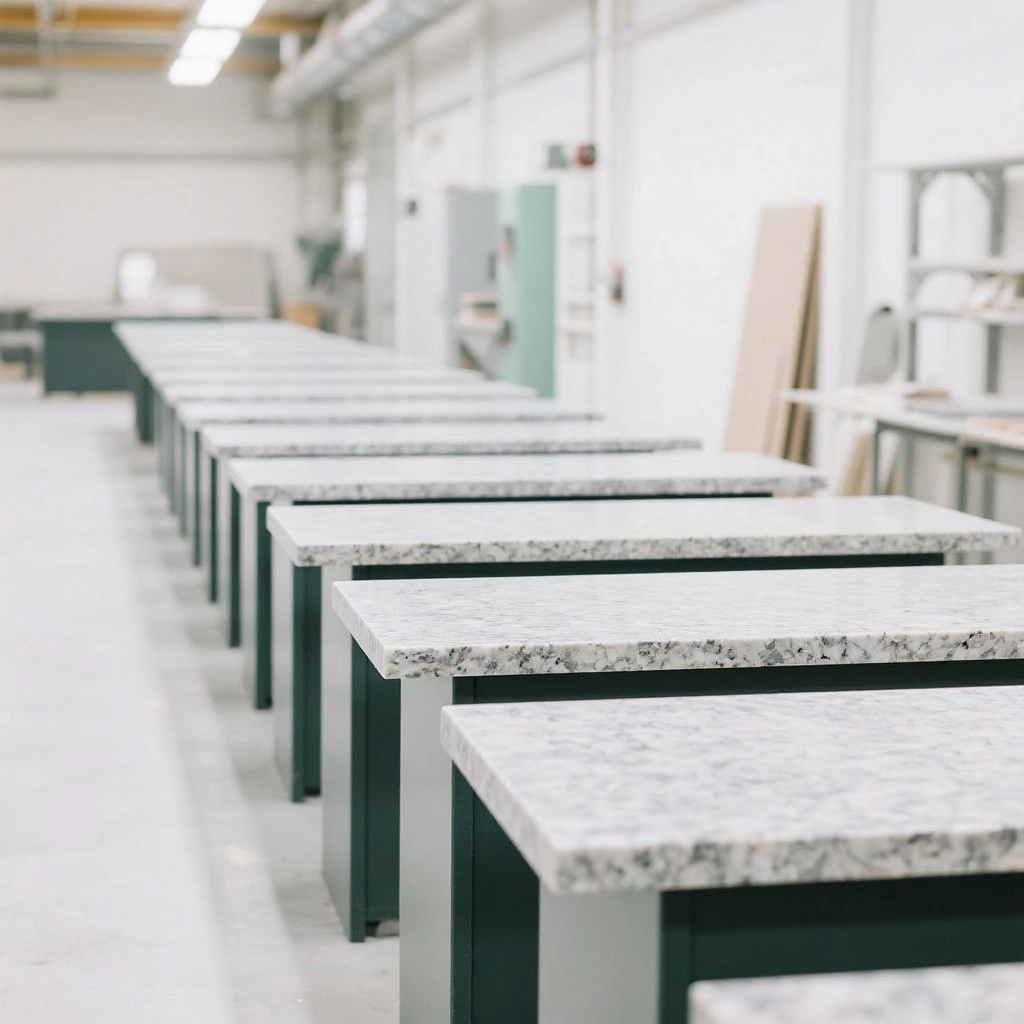
For many small and medium-sized stone fabrication workshops, manual cutting has long been the foundation of production. Skilled operators using bridge saws, handheld tools, and template-based fabrication have successfully produced kitchen countertops, vanity tops, staircases, window sills, and custom architectural stone for decades.
However, increasing labor costs, tighter project deadlines, growing demand for complex designs, and higher quality expectations are making traditional production methods increasingly difficult to sustain. Fabricators are expected to deliver higher precision while reducing waste and maintaining consistent productivity—requirements that manual processing alone often struggles to meet.
This comprehensive guide examines how a typical small stone workshop can successfully transition from manual cutting to CNC automation, the operational improvements achieved, and why CNC bridge saw technology has become one of the most valuable investments for modern stone fabrication businesses.
Challenges of Traditional Manual Stone Cutting
Before implementing CNC equipment, many workshops share similar production characteristics.

Heavy Dependence on Skilled Operators
- •Inconsistent dimensions between operators
- •Human measurement errors
- •Long training periods for new employees
- •Difficulty maintaining production during labor shortages
Low Production Efficiency
- •Multiple manual operations per project
- •Significant machine idle time
- •Increased production time
- •Limited daily output capacity
High Material Waste
- •Poor nesting in manual layout
- •Excessive offcuts
- •Incorrect measurements
- •Re-cutting after errors
Limited Capability for Complex Projects
- •Curved kitchen islands
- •无缝拼接
- •Integrated drainboards
- •Decorative grooves and radius corners
As experienced operators become increasingly difficult to recruit, many workshops face serious capacity limitations that threaten long-term competitiveness.
The Decision to Invest in CNC Automation
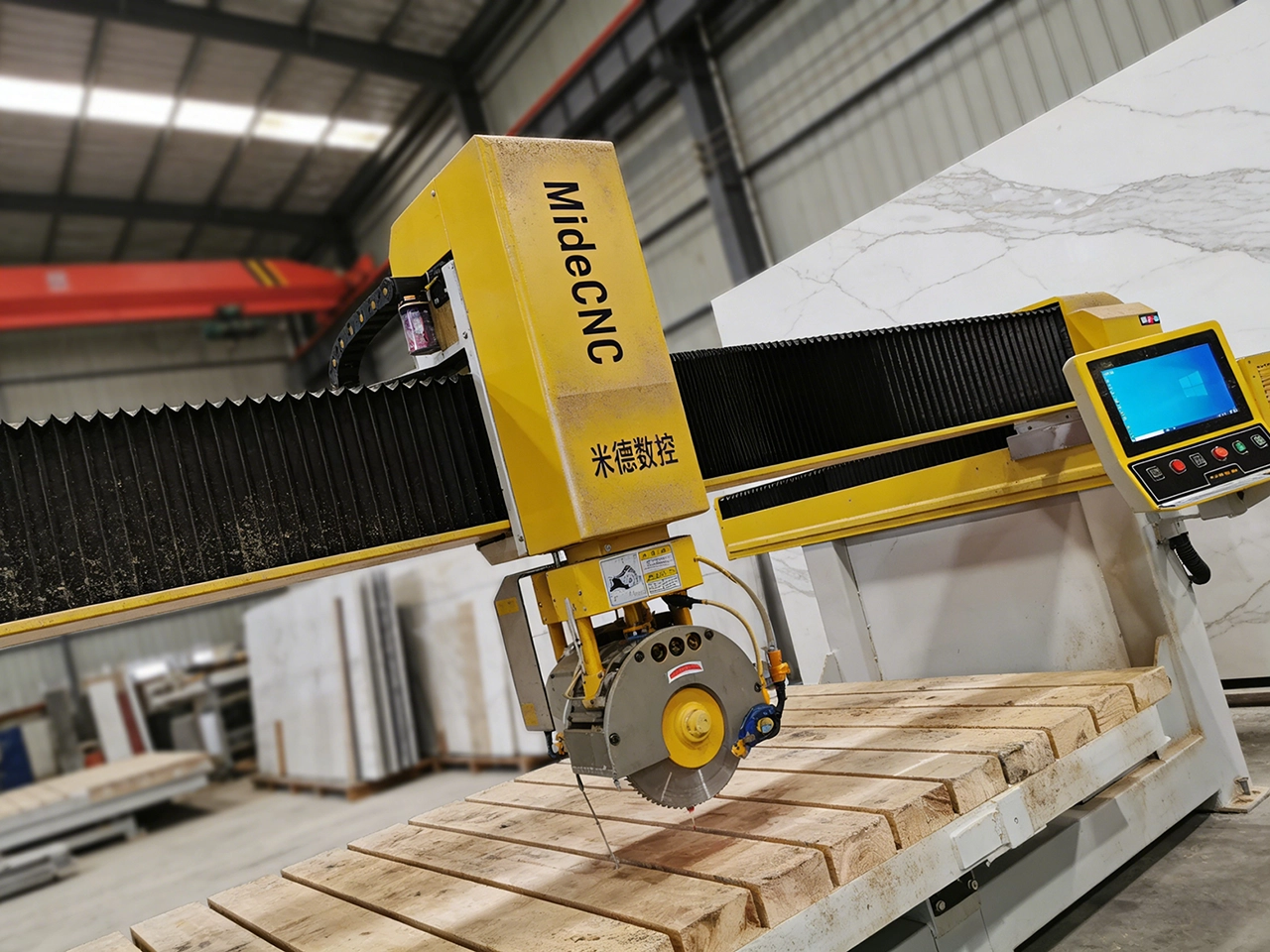
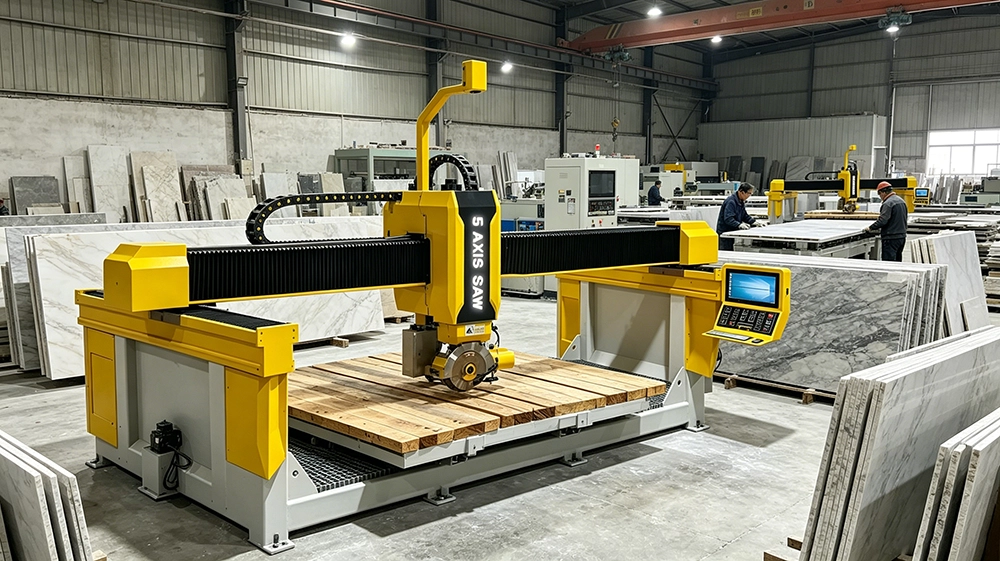
Rather than expanding the workforce, many growing workshops choose to invest in CNC automation. A modern CNC bridge saw combines cutting-edge technologies:
Instead of replacing experienced workers, CNC technology allows them to focus on higher-value production management and quality control.
The transition is not a replacement but an enhancement of existing craftsmanship. Your experienced team becomes programmers, quality inspectors, and production managers—roles that command higher compensation and offer greater career development.
Four Phases of CNC Implementation

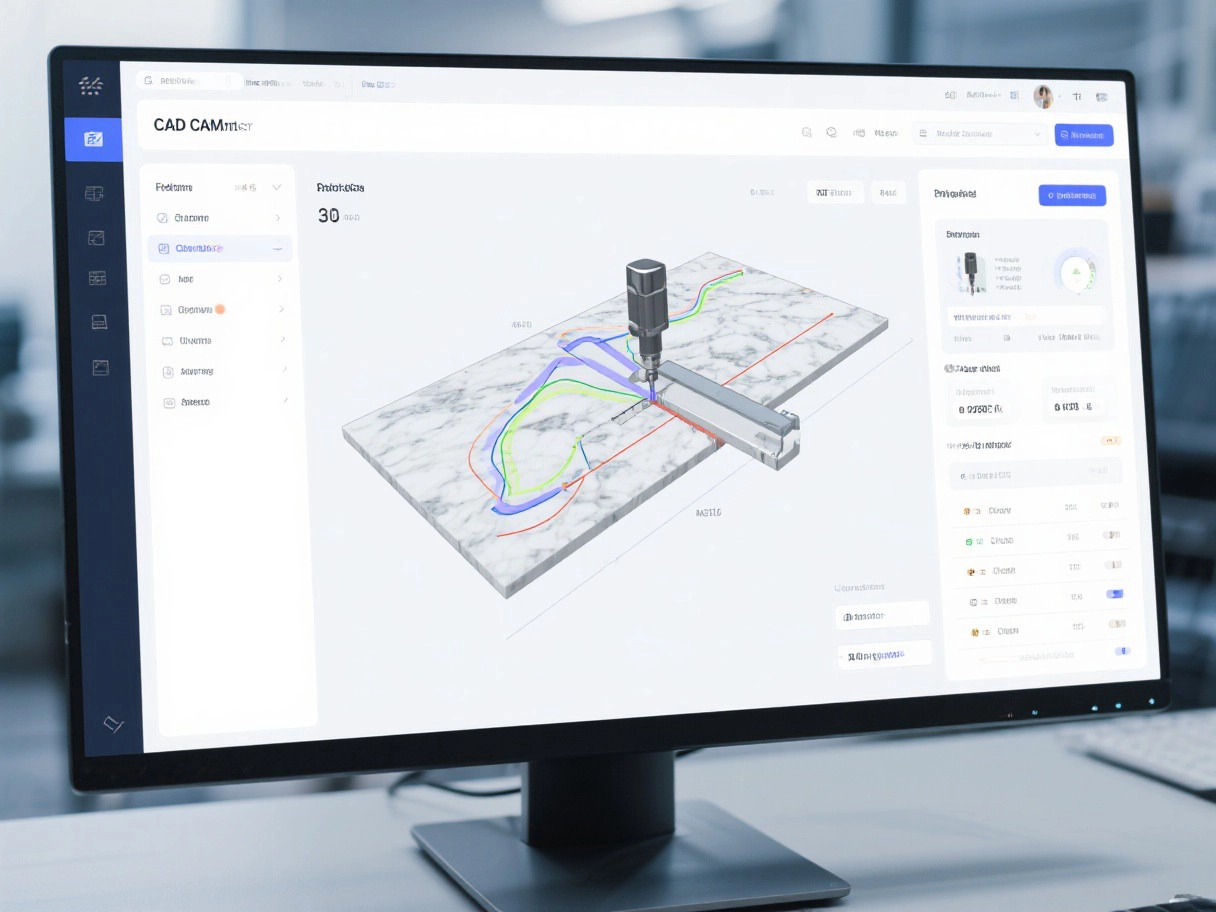
Digital Drawing Integration
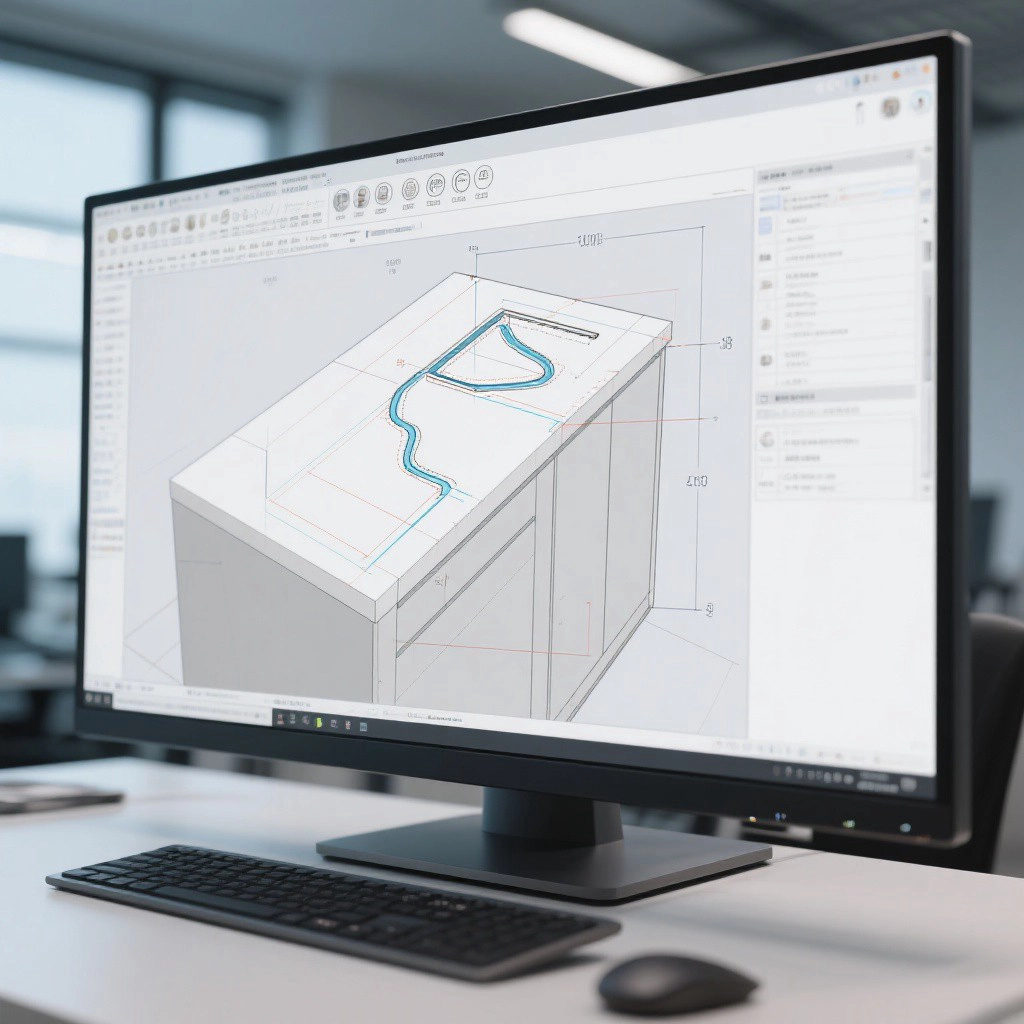
Replace manual templates with digital CAD designs for exact dimensions and consistent geometry.

Automatic Material Positioning
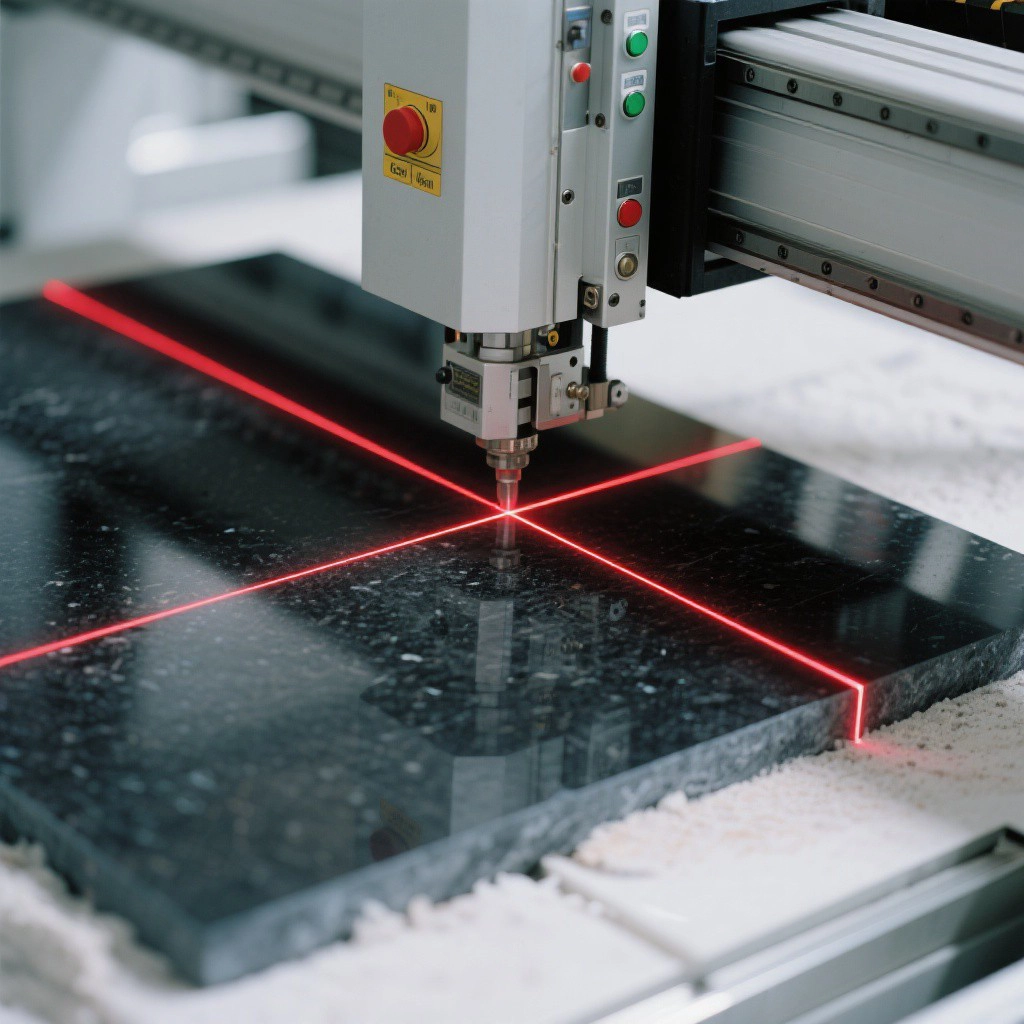
Utilize laser alignment and camera positioning systems for precise cutting coordinates.

Intelligent Cutting Operations
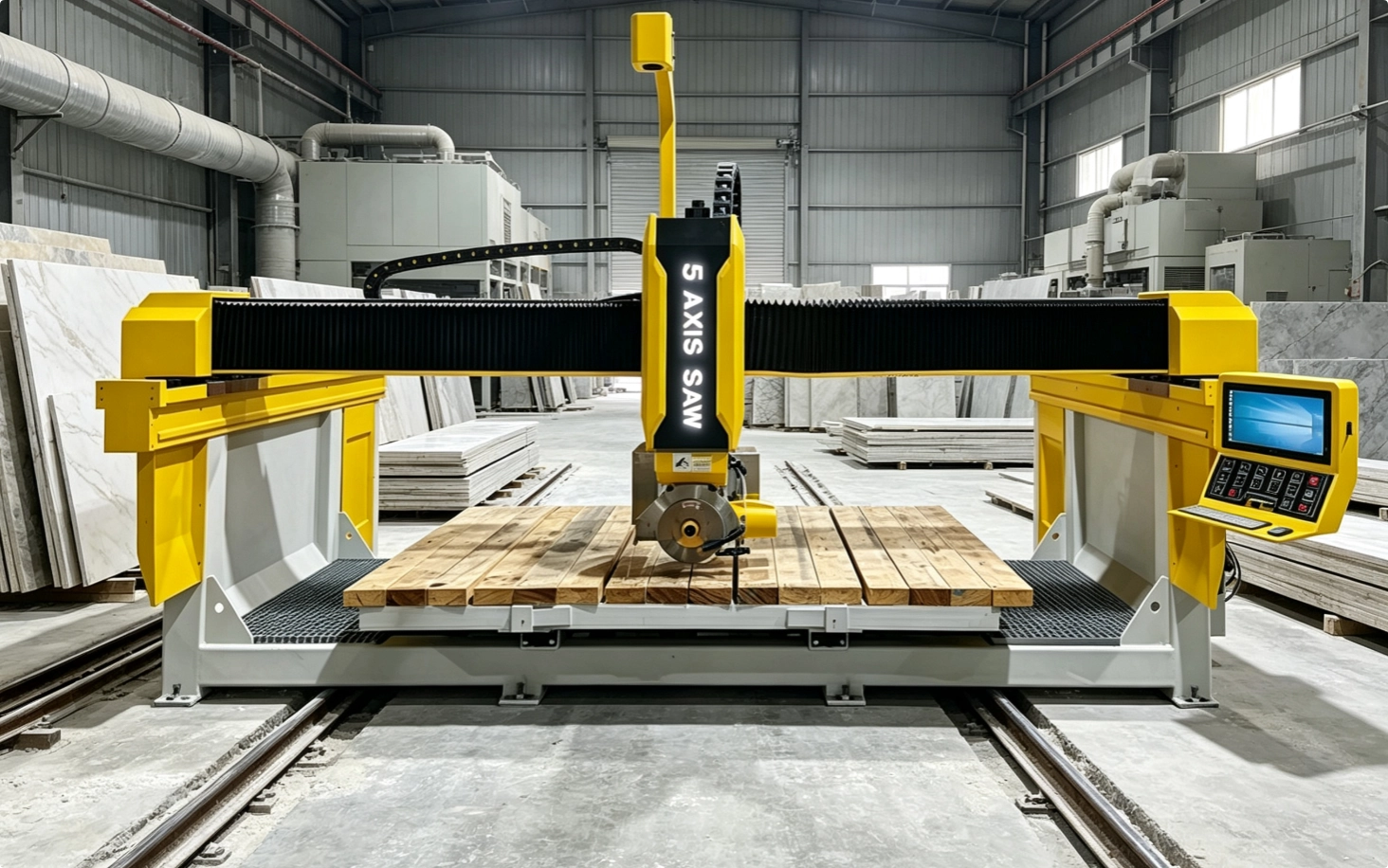
5-axis CNC automation rotates and tilts blade for complex cutting angles without manual setups.

Higher Production Consistency
Every component follows identical machining parameters for uniform quality across large batches.
Complete Stone Fabrication Capabilities
Measurable Improvements After CNC Implementation
Although production results vary by workshop size and product mix, many fabricators experience significant operational improvements after implementing CNC bridge saw technology.
更快的生产效率
Automated positioning and continuous machining reduce setup time between operations. Daily production capacity increases without requiring additional labor.
材料浪费减少
Optimized digital layouts and precise cutting minimize unnecessary slab loss. Improved nesting maximizes usable material from every slab.
Better Cutting Accuracy
Servo-controlled motion and precision linear guides maintain excellent dimensional accuracy throughout production.
Lower Labor Dependency
One CNC operator supervises production that previously required multiple manual personnel. Experienced employees transition to programming and quality control.
提升工作场所安全性
Automation significantly reduces operator exposure to rotating blades, manual material handling, and repetitive lifting operations.
Complete Stone Fabrication
Modern CNC bridge saws perform countertop fabrication, sink cutouts, drilling, groove machining, edge processing, and engraving preparation.
Is CNC Automation Suitable for Small Workshops?
Many owners assume CNC automation is only suitable for large factories. In reality, compact and mid-sized CNC bridge saws have made automation accessible to smaller fabrication businesses.
Workshops producing the following products can often achieve attractive returns by reducing labor costs, minimizing waste, and increasing production capacity without expanding their workforce:
The key is selecting equipment that matches production volume, available workshop space, and future business growth.
Choosing the Right CNC Bridge Saw
When evaluating equipment, workshop owners should consider several technical factors beyond initial purchase price. A well-designed CNC bridge saw should deliver reliable performance over many years while remaining adaptable to evolving production requirements.
| Selection Criterion | Importance Level | Impact |
|---|---|---|
| Number of controlled axes | Critical | Affects long-term ROI and production quality |
| Servo drive system quality | Critical | Affects long-term ROI and production quality |
| Positioning accuracy | Critical | Affects long-term ROI and production quality |
| Blade tilting capability | 高级 | Affects long-term ROI and production quality |
| CAD/CAM compatibility | 高级 | Affects long-term ROI and production quality |
| Automatic tool calibration | 高级 | Affects long-term ROI and production quality |
| Software stability | 高级 | Affects long-term ROI and production quality |
| After-sales technical support | Critical | Affects long-term ROI and production quality |
| Spare parts availability | 高级 | Affects long-term ROI and production quality |
| Remote diagnostic capability | 中等 | Affects long-term ROI and production quality |
The Path Forward: CNC Automation as Strategic Investment
The transition from manual stone cutting to CNC automation is no longer reserved for large industrial manufacturers. Small and medium-sized workshops are increasingly adopting CNC technology to overcome labor shortages, improve production accuracy, reduce material waste, and expand their capability to fabricate high-value stone products.
By integrating digital design, automated positioning, precision machining, and intelligent production control, a CNC bridge saw transforms traditional fabrication into a streamlined manufacturing process. The result is higher productivity, more consistent quality, and greater flexibility to meet the demands of modern architectural and interior stone projects.
For workshops planning long-term growth, CNC automation is not simply an equipment upgrade—it is a strategic investment that strengthens competitiveness and lays the foundation for sustainable, efficient stone fabrication.
常见问题解答
Yes. Even workshops with limited production volumes can improve efficiency, reduce material waste, and achieve more consistent cutting quality by adopting CNC automation.
The exact savings depend on production workflows, but CNC bridge saws automate positioning, cutting, drilling, and profiling, allowing fewer operators to manage higher output while reallocating skilled workers to programming and quality control.
Modern CNC bridge saws are suitable for granite, marble, quartz, sintered stone, porcelain slabs, engineered stone, limestone, and other architectural materials.
Basic CAD knowledge is helpful, but many CNC bridge saw systems provide intuitive software with graphical interfaces that simplify programming and reduce the learning curve for new operators.
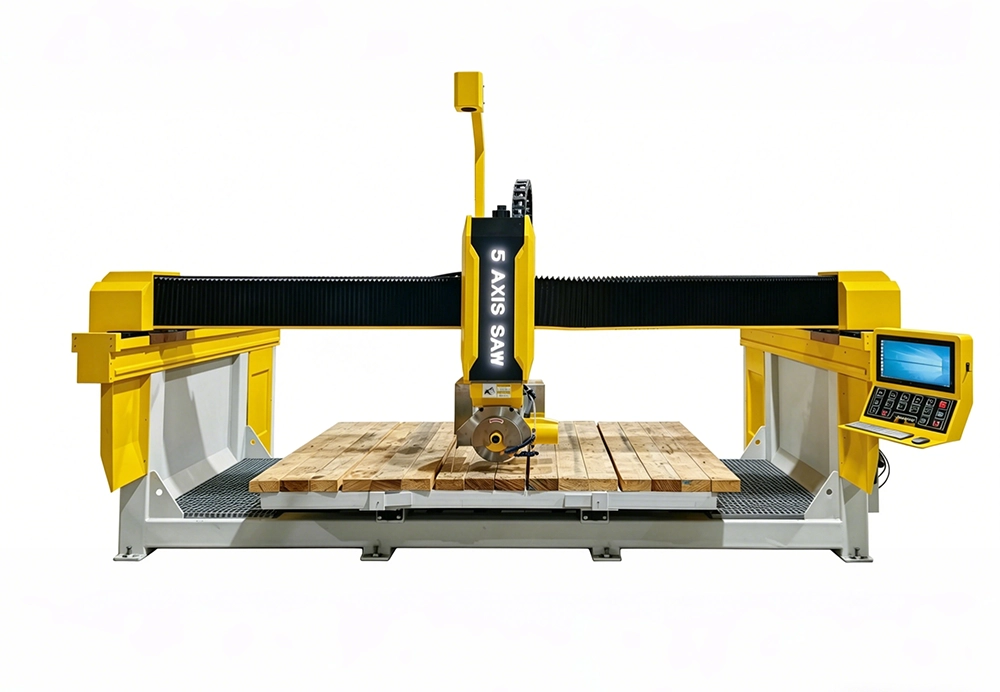
A 5-axis machine enables simultaneous blade rotation and tilting, allowing precise miter cuts, curved profiles, sink openings, and other complex machining operations with fewer setups and greater accuracy.
Complementary Solutions for Complete Fabrication

CNC Bridge Saw Systems
Precision cutting and profiling solutions for stone, quartz, and engineered materials.

Production Management Software
Integrated CAD/CAM systems with real-time production tracking and optimization.

Technical Support & Training
Comprehensive operator training, technical support, and continuous improvement programs.
Ready to Transform Your Stone Fabrication Business?
Join hundreds of manufacturers already achieving higher productivity, better quality, and sustainable growth with Midecnc CNC solutions.
Trusted by leading stone fabrication businesses worldwide • 24/7 Technical Support • Global Service Network
推荐机型
对于室内装饰专业人士,Midecnc 提供兼具精度、高效与创意灵活性的 CNC 加工设备。无论是加工岩板、陶瓷板还是复合材料,我们的桥式切割机与雕刻系统都可兼顾艺术细节与结构加工的双重需求。
5轴数控桥式切割锯
专为高端室内与建筑应用设计,五轴桥式切割机可实现超高精度的斜切、曲线造型、水槽开孔,甚至浮雕雕刻——全部集成在一个智能加工流程中。适用于岩板、大理石、石英石和陶瓷板材,为设计师与加工厂带来卓越的效率与多功能性。
- 拍照与吸盘系统:先进的对位与石材固定系统,提升操作安全性与切割精度。
- 真正的五轴切割:具备全XYZ移动、主轴旋转与倾斜功能,支持高级3D造型、边缘加工及最大45°斜切。
- 可处理复杂形状:适用于切割三角形、椭圆形、菱形、圆形、台面、桌面等各种图形。
4+1轴数控桥式切割锯
适用于需要斜切、直线抛光和嵌槽加工的项目,是理想之选。可靠、高效、易操作,适用于日常室内切割任务。
- ±90°刀头旋转,0–90°倾斜角度
- 非常适合制作柜体开槽和灯带槽位
- 重型机架与简易控制:专为稳定性和直观操作而设计
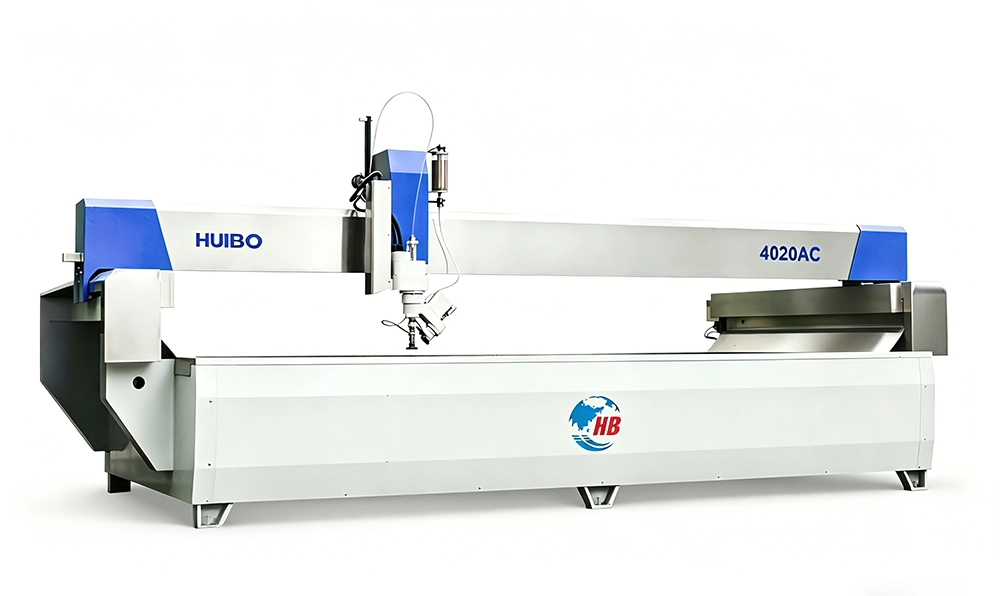
AC 五轴数控水刀切割机(4020AC)
旗舰型号,适用于大板切割、边缘修型和倒角加工。非常适合用于陶瓷、岩板及装饰材料的室内应用。
- 五轴全插补切割,实现无缝拼接与艺术角度加工
- 自动排版与智能刀路优化,有效减少材料浪费
- 支持加工瓷砖、岩板、玻璃、密度板及复合材料