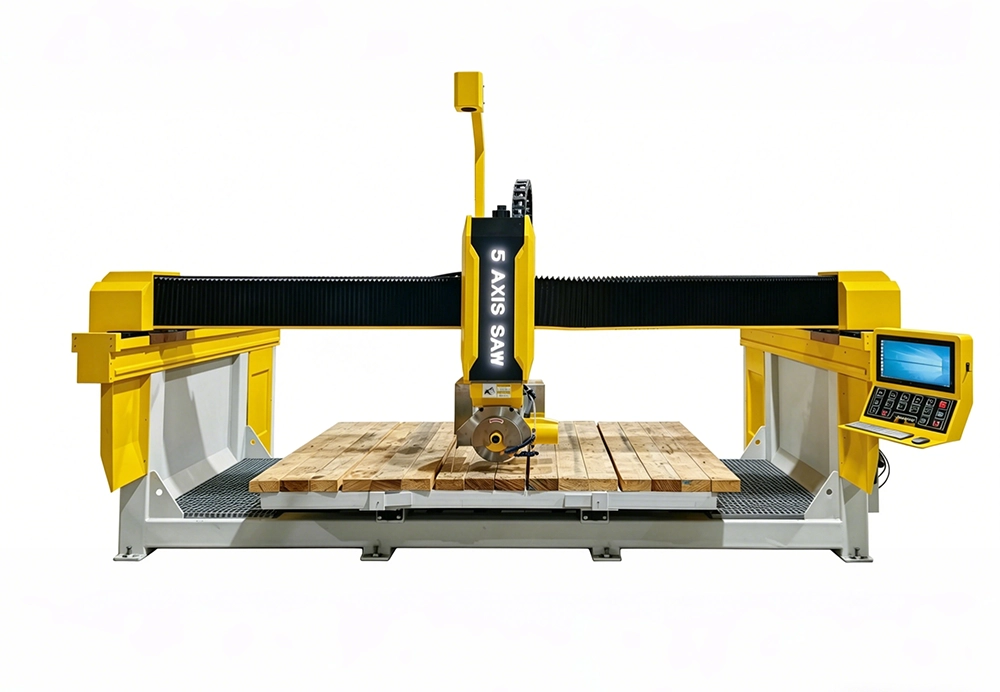
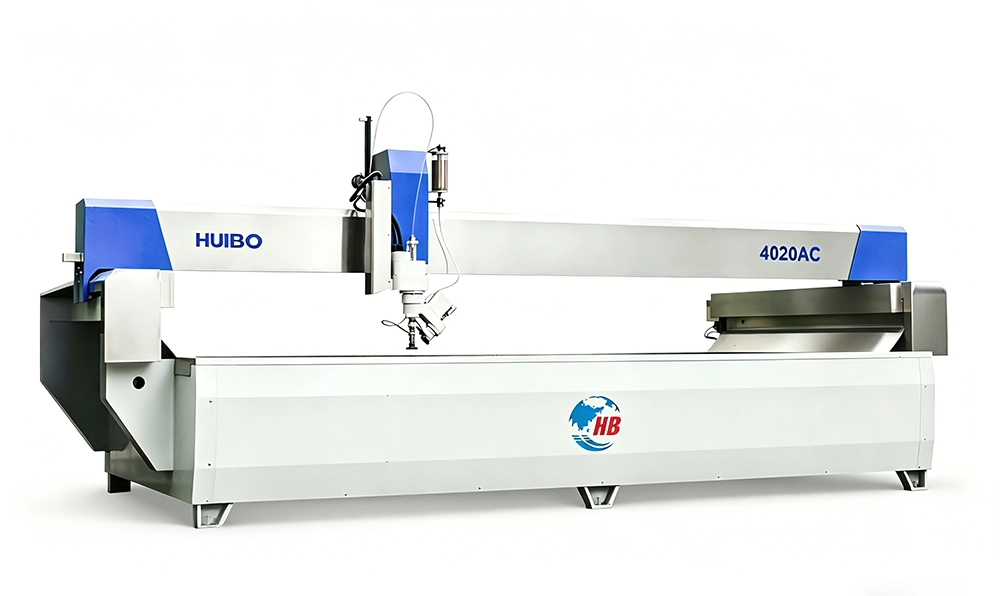
Transform Manual Stone Cutting into Automatisation CNC
Surmontez les pénuries de main-d’œuvre, réduisez le gaspillage de matériaux, améliorez la précision et augmentez vos capacités de production. Découvrez comment les petits et moyens ateliers de pierre réalisent une croissance durable grâce à la technologie moderne des scies à pont CNC.
Approuvé par plus de 300 fabricants
Marques leaders dans la fabrication de pierre
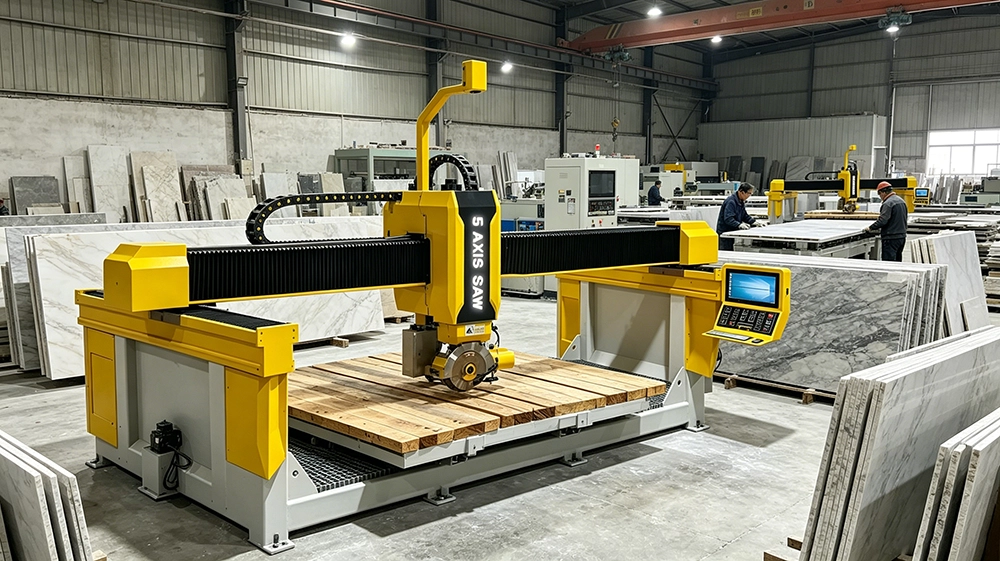
Partenaires de fabrication
Années de leadership dans l’industrie
Taux de précision
De la tradition manuelle à la précision numérique
Pour de nombreux petits et moyens ateliers de fabrication de pierre, la découpe manuelle constitue depuis longtemps la base de la production. Des opérateurs qualifiés utilisant des scies à pont, des outils manuels et des méthodes de fabrication basées sur des gabarits ont réussi pendant des décennies à produire des plans de travail de cuisine, des dessus de meuble-lavabo, des escaliers, des appuis de fenêtre et des pierres architecturales personnalisées.
Cependant, l’augmentation des coûts de main-d’œuvre, les délais de projet de plus en plus courts, la demande croissante pour des designs complexes et des exigences de qualité plus élevées rendent les méthodes de production traditionnelles de plus en plus difficiles à maintenir. Les fabricants de pierre doivent offrir une précision supérieure tout en réduisant les déchets et en maintenant une productivité constante — des exigences auxquelles le traitement manuel seul peine souvent à répondre.
Ce guide complet examine comment un atelier de fabrication de pierre de petite taille peut réussir sa transition de la découpe manuelle vers l’automatisation CNC, les améliorations opérationnelles obtenues et pourquoi la technologie des scies à pont CNC est devenue l’un des investissements les plus précieux pour les entreprises modernes de fabrication de pierre.
Défis de la découpe manuelle traditionnelle de la pierre
Avant la mise en place d’équipements CNC, de nombreux ateliers de fabrication de pierre présentent des caractéristiques de production similaires.
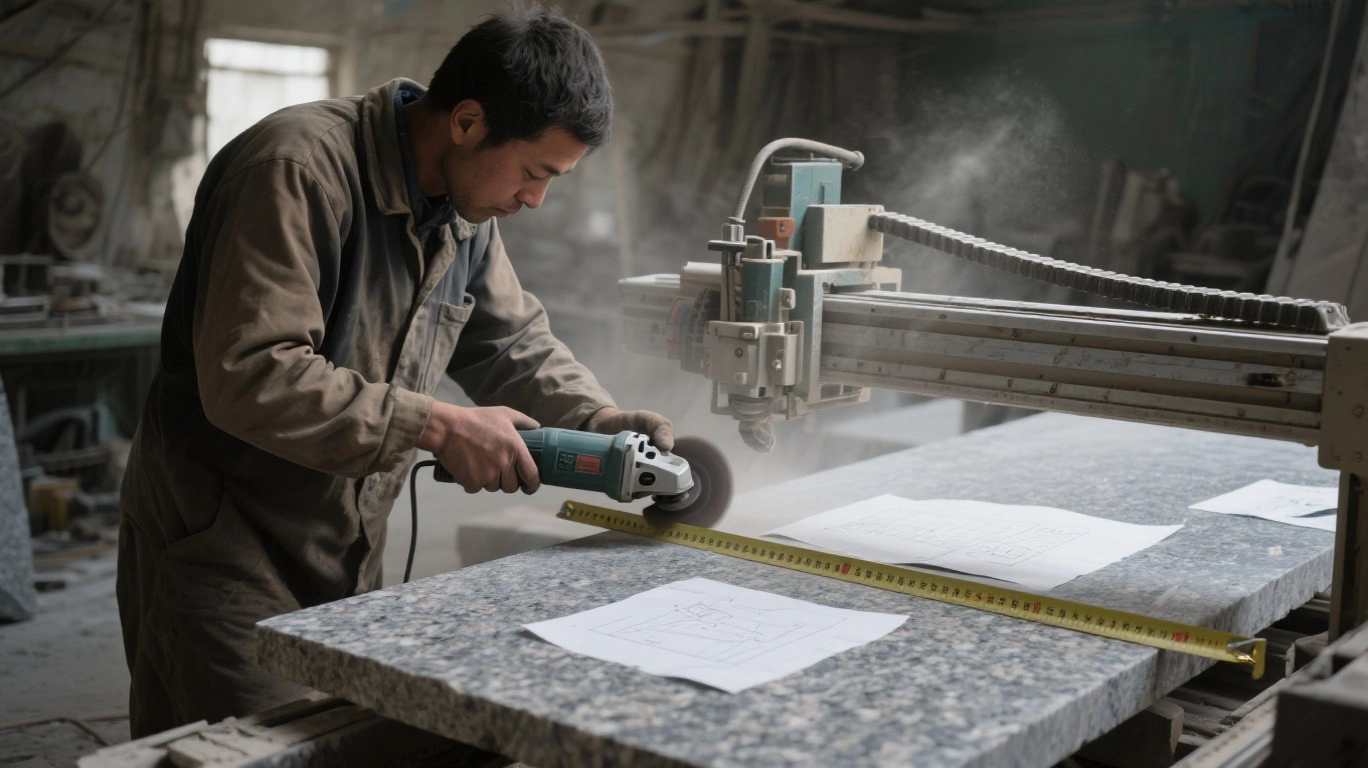
Forte dépendance aux opérateurs qualifiés
- •Dimensions incohérentes entre les opérateurs
- •Erreurs de mesure humaines
- •Longues périodes de formation pour les nouveaux employés
- •Difficulté à maintenir la production en période de pénurie de main-d’œuvre
Faible efficacité de production
- •Plusieurs opérations manuelles par projet
- •Temps d’inactivité important des machines
- •Augmentation du temps de production
- •Capacité de production quotidienne limitée
Gaspillage important de matériaux
- •Mauvaise optimisation de l’agencement manuel
- •Chutes de matériau excessives
- •Mesures incorrectes
- •Nouvelle découpe après des erreurs
Capacités limitées pour les projets complexes
- •Îlots de cuisine courbés
- •Joints invisibles
- •Égouttoirs intégrés
- •Rainures décoratives et angles arrondis
Alors que le recrutement d’opérateurs expérimentés devient de plus en plus difficile, de nombreux ateliers sont confrontés à de sérieuses limitations de capacité qui menacent leur compétitivité à long terme.
La décision d’investir dans l’automatisation CNC
Plutôt que d’augmenter leurs effectifs, de nombreux ateliers de fabrication de pierre en pleine croissance choisissent d’investir dans l’automatisation CNC. Une scie à pont CNC moderne combine des technologies avancées :
Plutôt que de remplacer les travailleurs expérimentés, la technologie CNC leur permet de se concentrer sur la gestion de production et le contrôle qualité à plus forte valeur ajoutée.
Cette transition ne constitue pas un remplacement, mais une amélioration du savoir-faire existant. Votre équipe expérimentée devient composée de programmeurs, d’inspecteurs qualité et de responsables de production — des postes mieux rémunérés offrant de meilleures perspectives d’évolution professionnelle.
Quatre phases de mise en œuvre du CNC
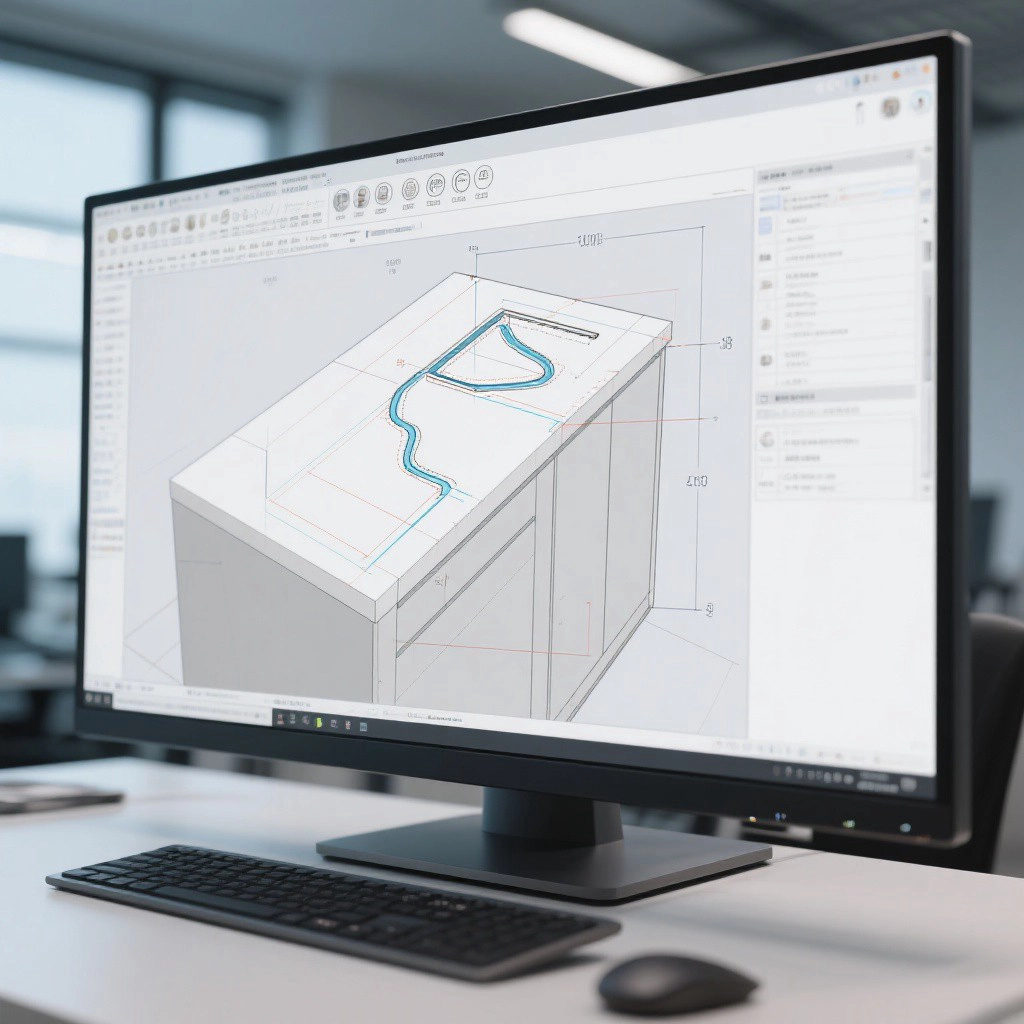
Intégration de dessins numériques
Remplacer les gabarits manuels par des conceptions CAO numériques pour obtenir des dimensions exactes et une géométrie constante.
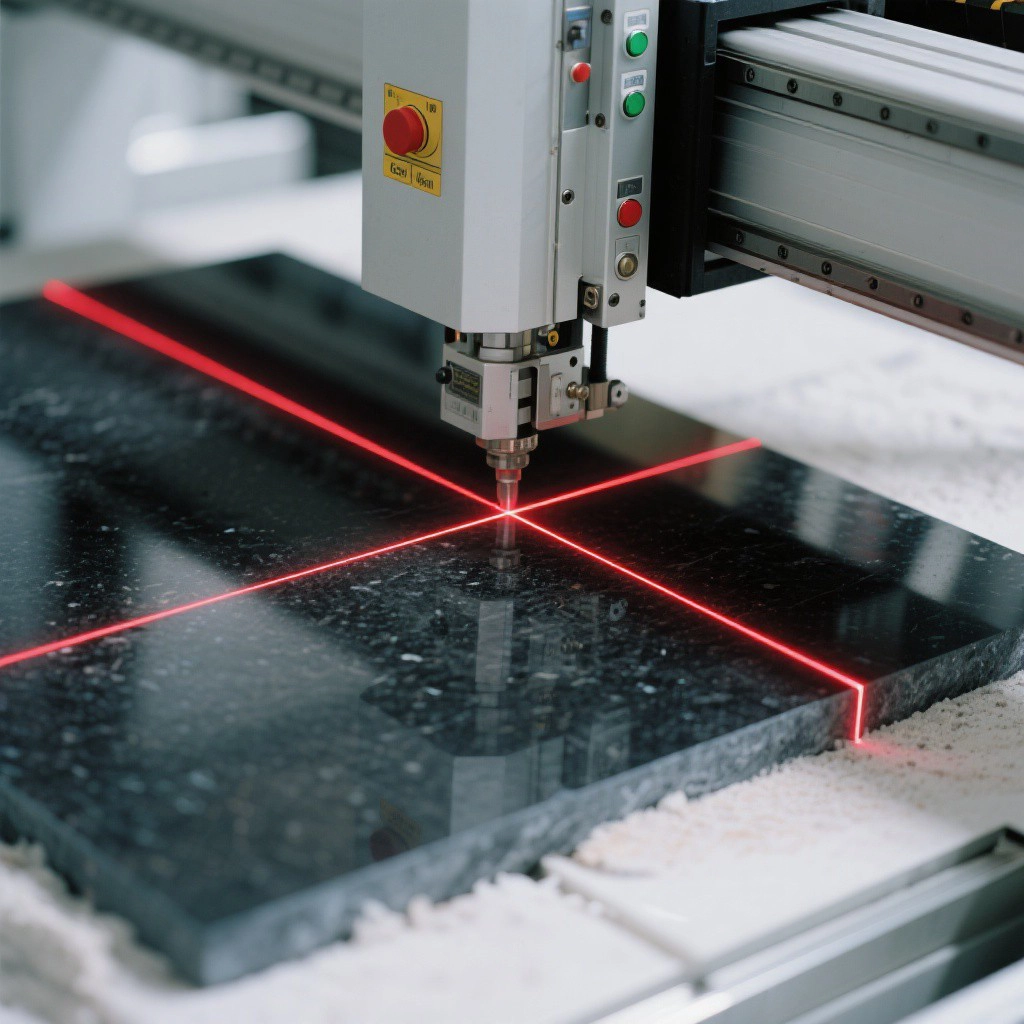
Positionnement automatique des matériaux
Utilisez des systèmes d’alignement laser et de positionnement par caméra pour obtenir des coordonnées de coupe précises.
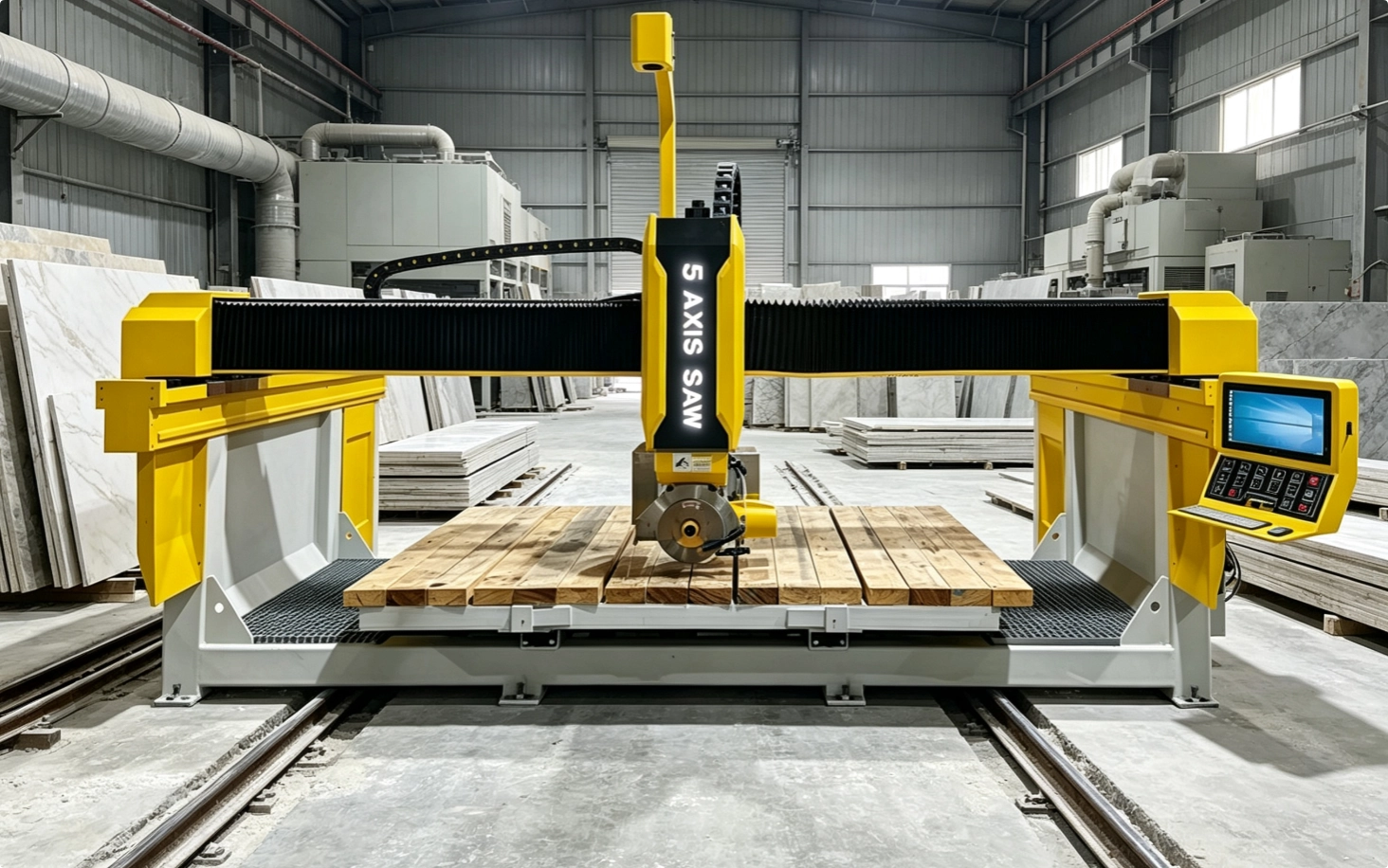
Opérations de découpe intelligentes
L’automatisation CNC 5 axes permet de faire pivoter et d’incliner la lame pour réaliser des angles de coupe complexes sans réglages manuels.
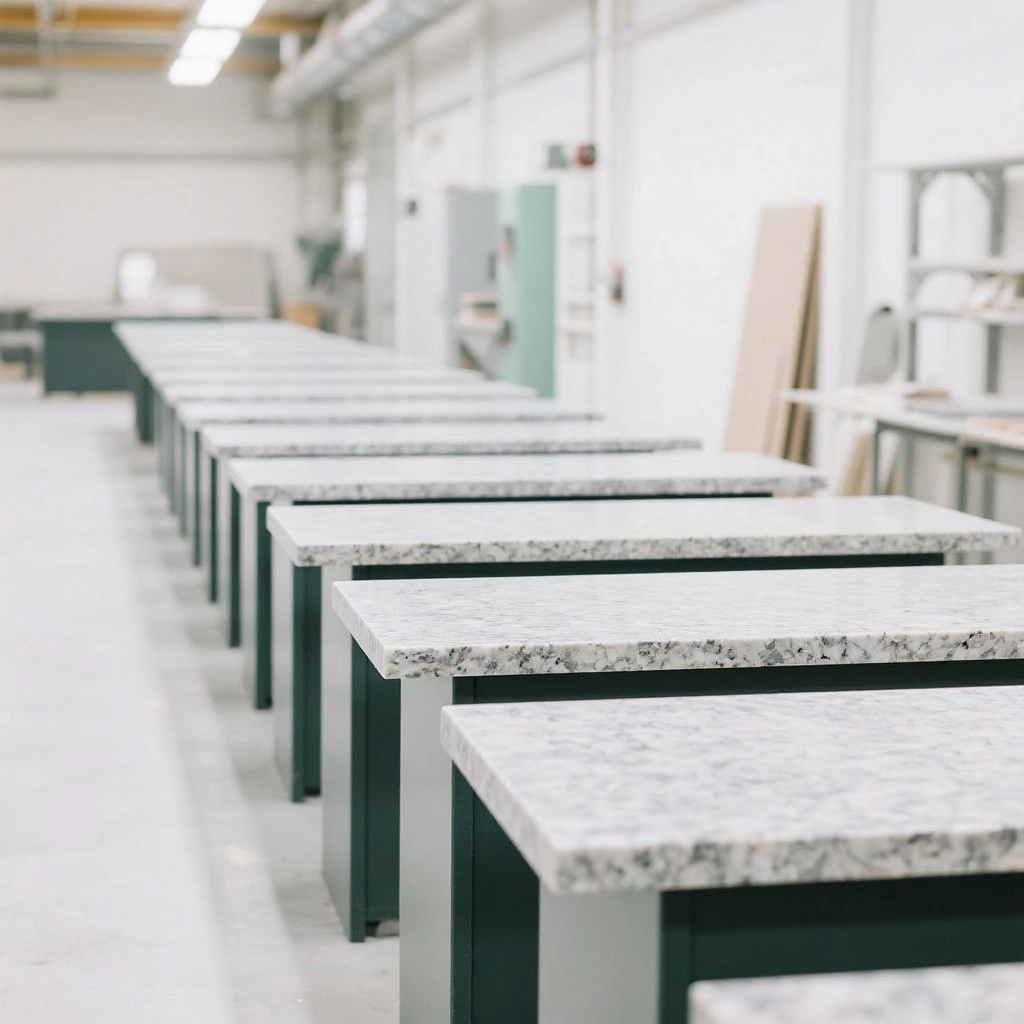
Une plus grande constance de production
Chaque composant utilise des paramètres d’usinage identiques afin de garantir une qualité uniforme sur les grandes séries de production.
Capacités complètes de fabrication de pierre
Améliorations mesurables après la mise en œuvre du CNC
Bien que les résultats de production varient selon la taille de l’atelier et la gamme de produits, de nombreux fabricants constatent des améliorations opérationnelles significatives après l’adoption de la technologie de scie à pont CNC.
Production plus rapide
Le positionnement automatique et l’usinage continu réduisent le temps de réglage entre les opérations. La capacité de production quotidienne augmente sans nécessiter de main-d’œuvre supplémentaire.
Réduction des déchets de matériaux
Les plans numériques optimisés et la découpe précise réduisent les pertes inutiles de plaques. Un meilleur imbrication des pièces maximise l’utilisation du matériau de chaque plaque.
Une meilleure précision de coupe
Les mouvements contrôlés par servo et les guides linéaires de précision maintiennent une excellente précision dimensionnelle tout au long de la production.
Réduction de la dépendance à la main-d’œuvre
Un seul opérateur CNC supervise une production qui nécessitait auparavant plusieurs employés manuels. Les employés expérimentés évoluent vers des fonctions de programmation et de contrôle qualité.
Amélioration de la sécurité au travail
L’automatisation réduit considérablement l’exposition des opérateurs aux lames rotatives, à la manutention manuelle des matériaux et aux opérations de levage répétitives.
Capacités complètes de fabrication de pierre
Les scies à pont CNC modernes réalisent la fabrication de plans de travail, les découpes d’éviers, le perçage, l’usinage de rainures, le traitement des bords et la préparation à la gravure.
L’automatisation CNC est-elle adaptée aux petits ateliers ?
De nombreux propriétaires pensent que l’automatisation CNC est uniquement adaptée aux grandes usines. En réalité, les scies à pont CNC compactes et de taille moyenne ont rendu l’automatisation accessible aux petites entreprises de fabrication de pierre.
Les ateliers produisant les produits suivants peuvent souvent obtenir des retours sur investissement intéressants en réduisant les coûts de main-d’œuvre, en limitant les pertes de matériaux et en augmentant la capacité de production sans augmenter leurs effectifs :
La clé est de choisir un équipement adapté au volume de production, à l’espace disponible dans l’atelier et au développement futur de l’entreprise.
Choisir la bonne scie à pont CNC
Lors de l’évaluation des équipements, les propriétaires d’ateliers doivent prendre en compte plusieurs facteurs techniques au-delà du prix d’achat initial. Une scie à pont CNC bien conçue doit offrir des performances fiables pendant de nombreuses années tout en restant adaptable aux exigences de production en évolution.
| Critère de sélection | Niveau d’importance | Impact |
|---|---|---|
| Nombre d’axes contrôlés | Critique | Influence le retour sur investissement à long terme et la qualité de production |
| Qualité du système d’entraînement servo | Critique | Influence le retour sur investissement à long terme et la qualité de production |
| Précision de positionnement | Critique | Influence le retour sur investissement à long terme et la qualité de production |
| Capacité d’inclinaison de la lame | Élevé / Haut de gamme | Influence le retour sur investissement à long terme et la qualité de production |
| Compatibilité CAD/CAM | Élevé / Haut de gamme | Influence le retour sur investissement à long terme et la qualité de production |
| Étalonnage automatique des outils | Élevé / Haut de gamme | Influence le retour sur investissement à long terme et la qualité de production |
| Stabilité du logiciel | Élevé / Haut de gamme | Influence le retour sur investissement à long terme et la qualité de production |
| Assistance technique après-vente | Critique | Influence le retour sur investissement à long terme et la qualité de production |
| Disponibilité des pièces de rechange | Élevé / Haut de gamme | Influence le retour sur investissement à long terme et la qualité de production |
| Capacité de diagnostic à distance | Moyen | Influence le retour sur investissement à long terme et la qualité de production |
La voie à suivre : l’automatisation CNC comme investissement stratégique
La transition de la découpe manuelle de la pierre vers l’automatisation CNC n’est plus réservée aux grands fabricants industriels. De plus en plus d’ateliers de petite et moyenne taille adoptent la technologie CNC afin de surmonter les pénuries de main-d’œuvre, améliorer la précision de production, réduire les pertes de matériaux et développer leur capacité à fabriquer des produits en pierre à forte valeur ajoutée.
En intégrant la conception numérique, le positionnement automatique, l’usinage de précision et le contrôle intelligent de la production, une scie à pont CNC transforme la fabrication traditionnelle de la pierre en un processus de production rationalisé. Le résultat est une productivité accrue, une qualité plus constante et une plus grande flexibilité pour répondre aux exigences des projets modernes en pierre architecturale et intérieure.
Pour les ateliers qui envisagent une croissance à long terme, l’automatisation CNC n’est pas simplement une amélioration des équipements, mais un investissement stratégique qui renforce la compétitivité et établit les bases d’une fabrication de pierre durable et efficace.
Questions fréquemment posées
Solutions complémentaires pour une fabrication complète
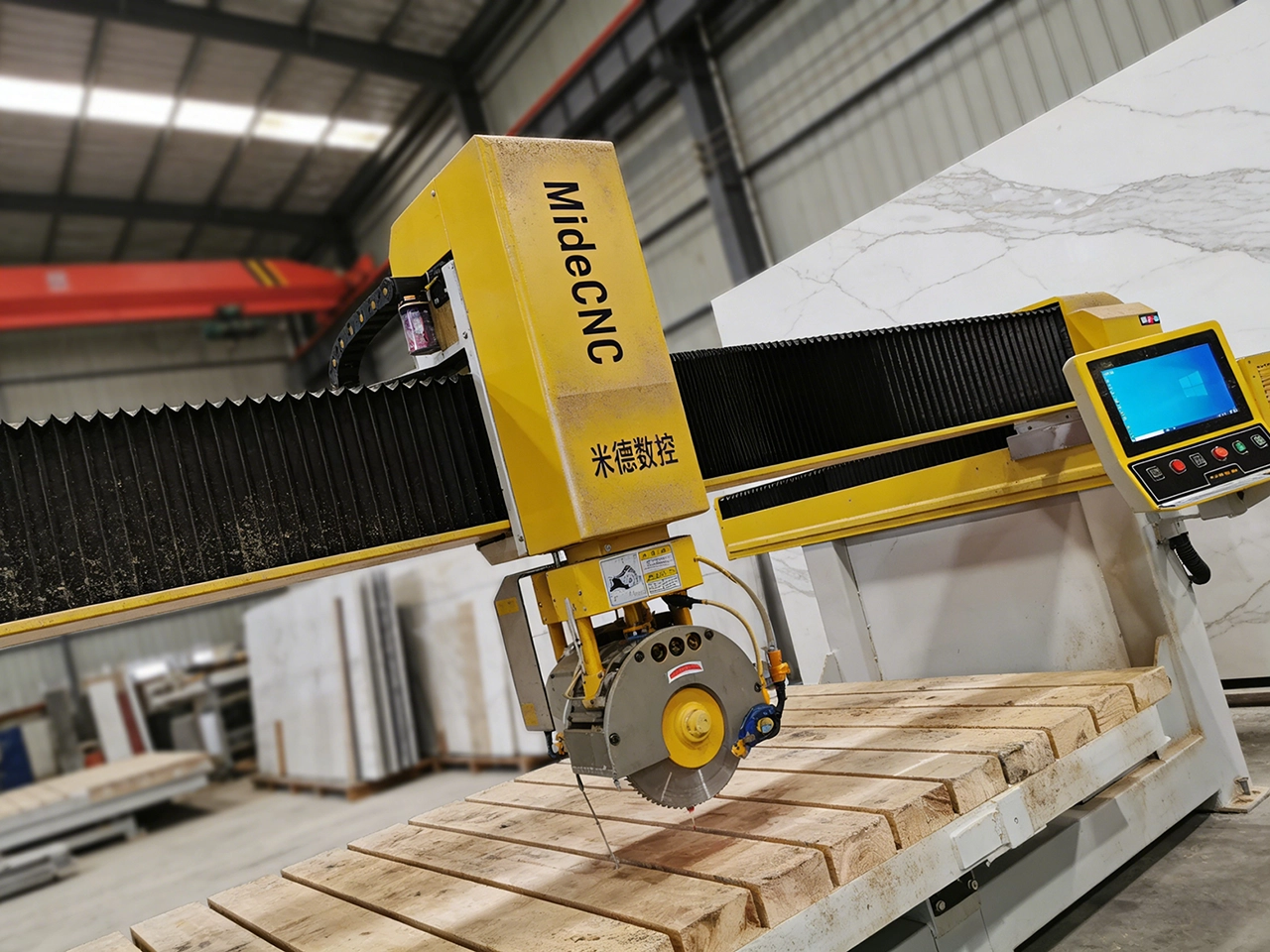
Systèmes de scies à pont CNC
Solutions de découpe de précision et d’usinage de profils pour la pierre, le quartz et les matériaux reconstitués.
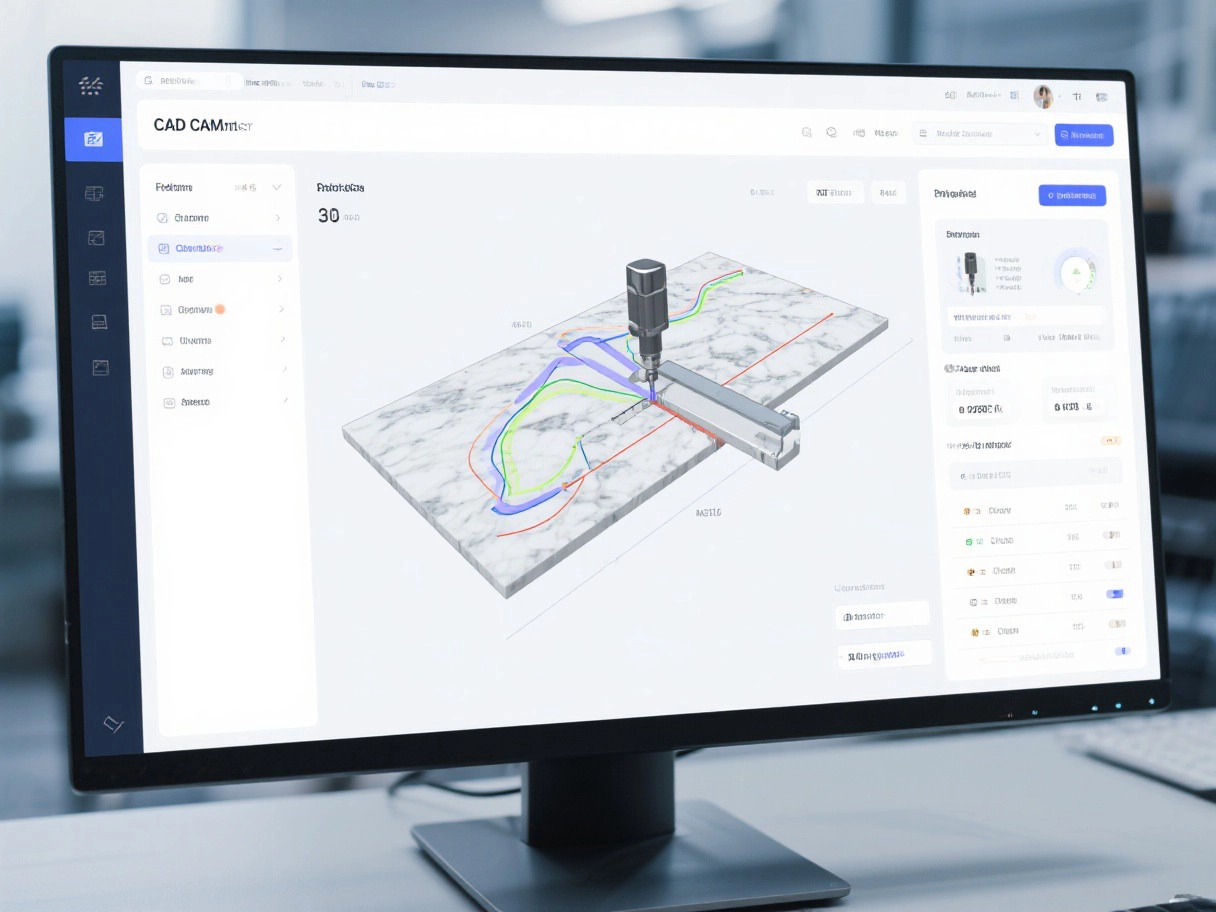
Logiciel de gestion de production
Systèmes CAD/CAM intégrés avec suivi et optimisation de la production en temps réel.
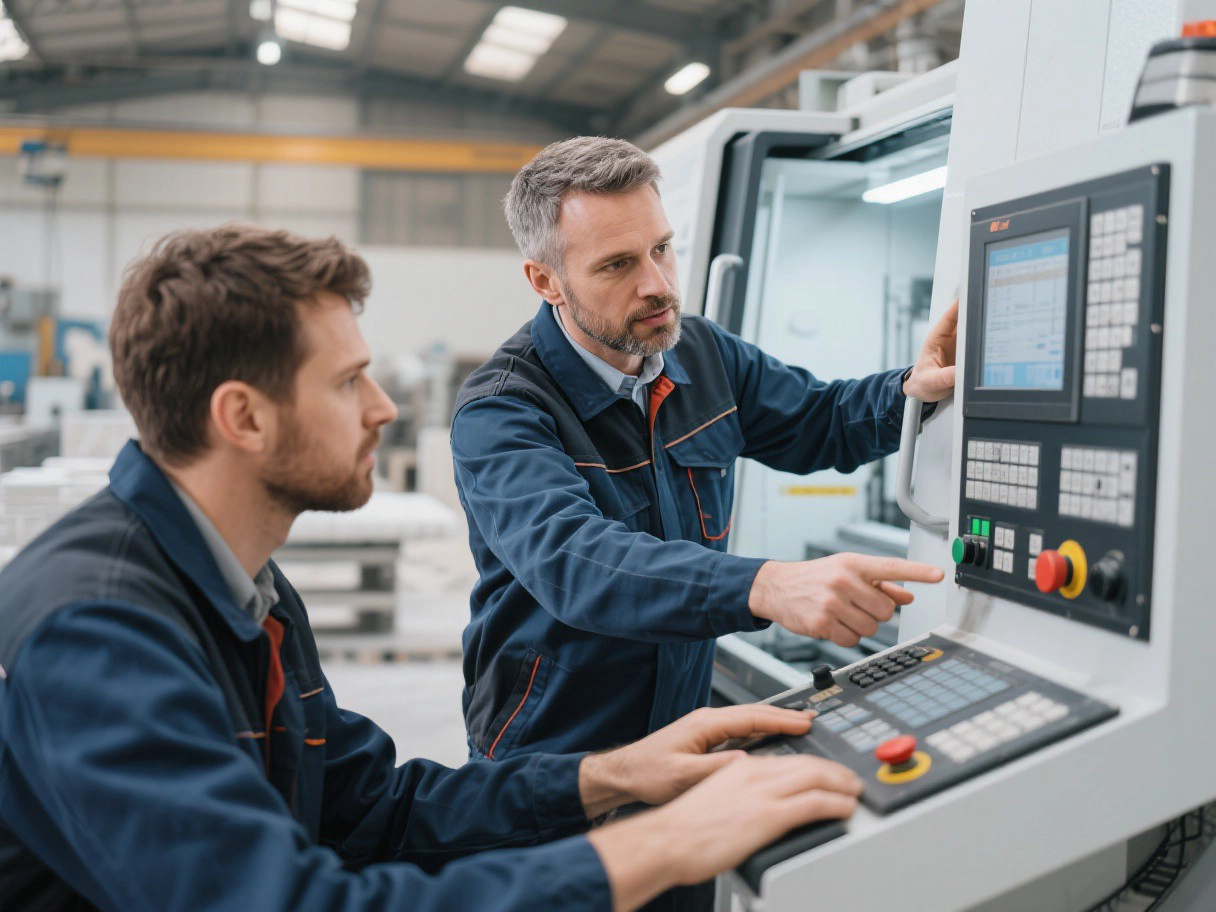
Support technique et formation
Formation complète des opérateurs, assistance technique et programmes d’amélioration continue.
Êtes-vous prêt à transformer votre activité de fabrication de pierre ?
Rejoignez des centaines de fabricants qui obtiennent déjà une productivité supérieure, une meilleure qualité et une croissance durable grâce aux solutions CNC de Midecnc.
Approuvé par les entreprises leaders de la fabrication de pierre dans le monde entier • Support technique 24h/24 et 7j/7 • Réseau de service mondial