Australia's stone fabrication industry is facing a challenge that is becoming increasingly difficult to ignore: labor is getting more expensive, while skilled workers are becoming harder to find.
For businesses processing engineered stone, natural stone, porcelain slabs and sintered stone, labor has traditionally been one of the largest operating costs. Cutting, profiling, polishing, drilling, handling and installation all require experienced operators.
Labor pressure
Wages, compliance and recruitment costs are rising.
CNC response
Repetitive processing is moving away from manual operations.
New economics
Smaller teams can manage more consistent production.
Labor Costs Are Reshaping Stone Fabrication Economics
Stone fabrication has always depended heavily on skilled labor. A traditional workshop may require separate operators for slab positioning, manual cutting, edge finishing, drilling and polishing. Even when individual machines are efficient, the overall production process can still depend on workers moving materials between stations and manually adjusting each operation.
As labor costs increase, this production model becomes more expensive to maintain. The real cost of an employee is also more than the hourly wage. Fabricators must consider wages and overtime, superannuation, training, workplace safety requirements, staff turnover, recruitment costs and production downtime caused by labor shortages.
Many Australian workshops are looking for ways to increase output without increasing the size of their workforce at the same rate. More jobs traditionally meant hiring more workers. That relationship is now changing.
The Shortage of Skilled Stone Workers Is Adding More Pressure
Higher wages are only part of the problem. Experienced stone fabricators are not easy to replace. CNC programming, slab handling, complex cutting, mitre processing and high-value material fabrication require practical knowledge that takes time to develop.
A workshop can purchase a machine quickly. Training a highly experienced operator takes much longer. When an experienced worker leaves, production capacity can immediately be affected. New employees may require months of training before they can independently handle complex projects.
The problem becomes even more serious when working with expensive materials. A programming mistake, incorrect measurement or manual cutting error can turn directly into material loss. Many companies are therefore moving toward systems that reduce dependence on individual operator experience.

CNC Automation Is Replacing Repetitive Manual Work
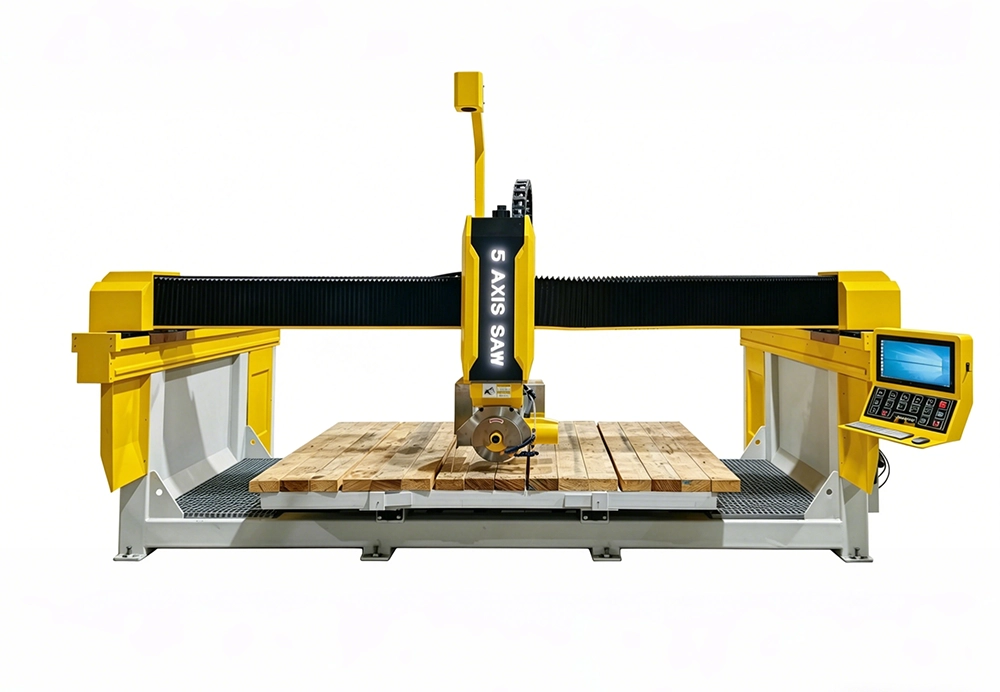
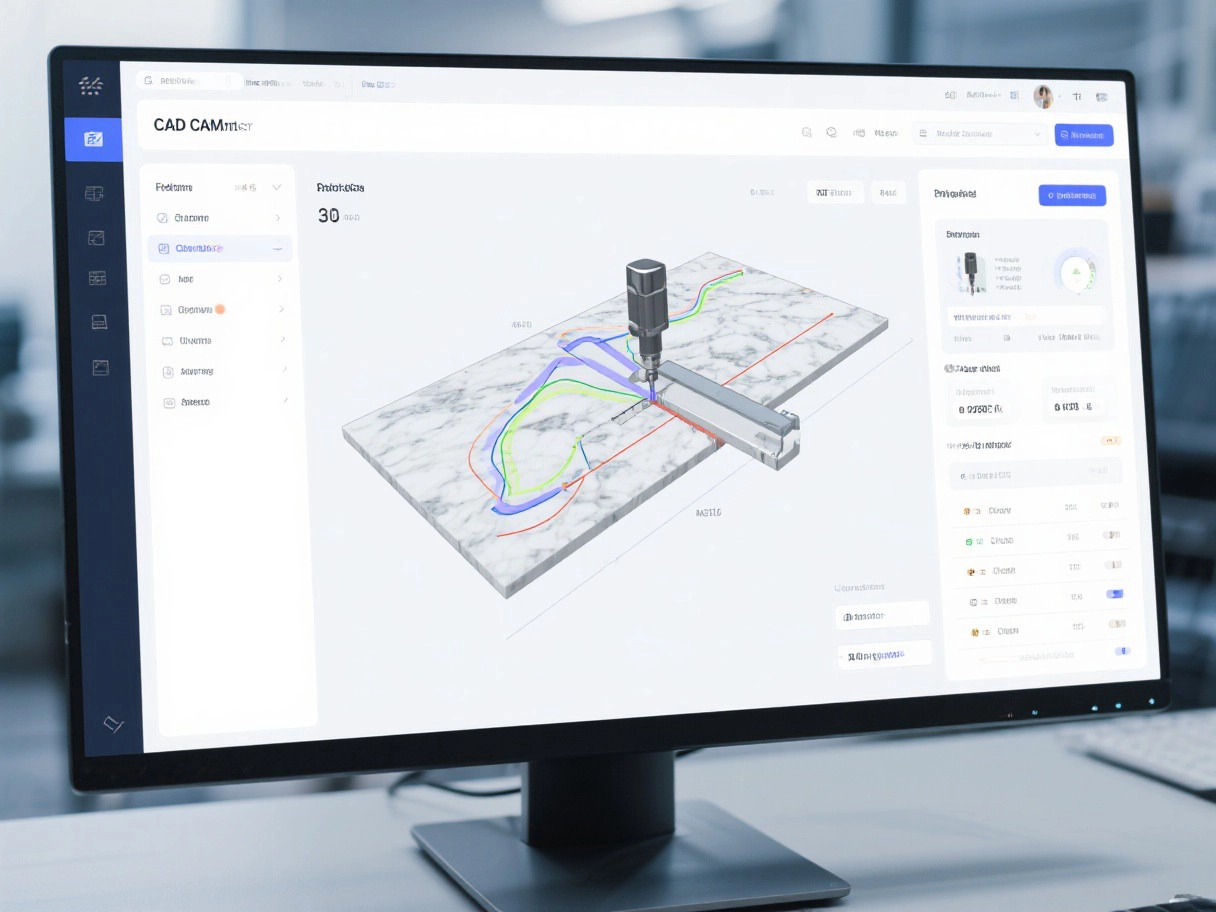
One of the biggest changes in modern stone fabrication is the transfer of repetitive work from operators to CNC-controlled equipment. A CNC bridge saw can automate straight cutting, angle cutting, mitre cutting, sink cutouts, faucet holes, internal corners, curved cutting, DXF file processing and repeated batch production.
The objective is not necessarily to remove skilled workers from the factory. Instead, it allows skilled workers to focus on tasks where their experience creates more value. Rather than standing beside a machine throughout an entire cutting cycle, an operator can supervise production, prepare the next slab, check quality or manage multiple operations.
One trained operator + multiple automated processes can replace the old model of one worker + one operation.
Once the slab layout and cutting program are prepared, the machine can execute a sequence of operations automatically. The cutting result is based on the digital program rather than individual operator habits, making production easier to standardize between shifts.
Automation Is Also Helping Fabricators Handle More Complex Materials
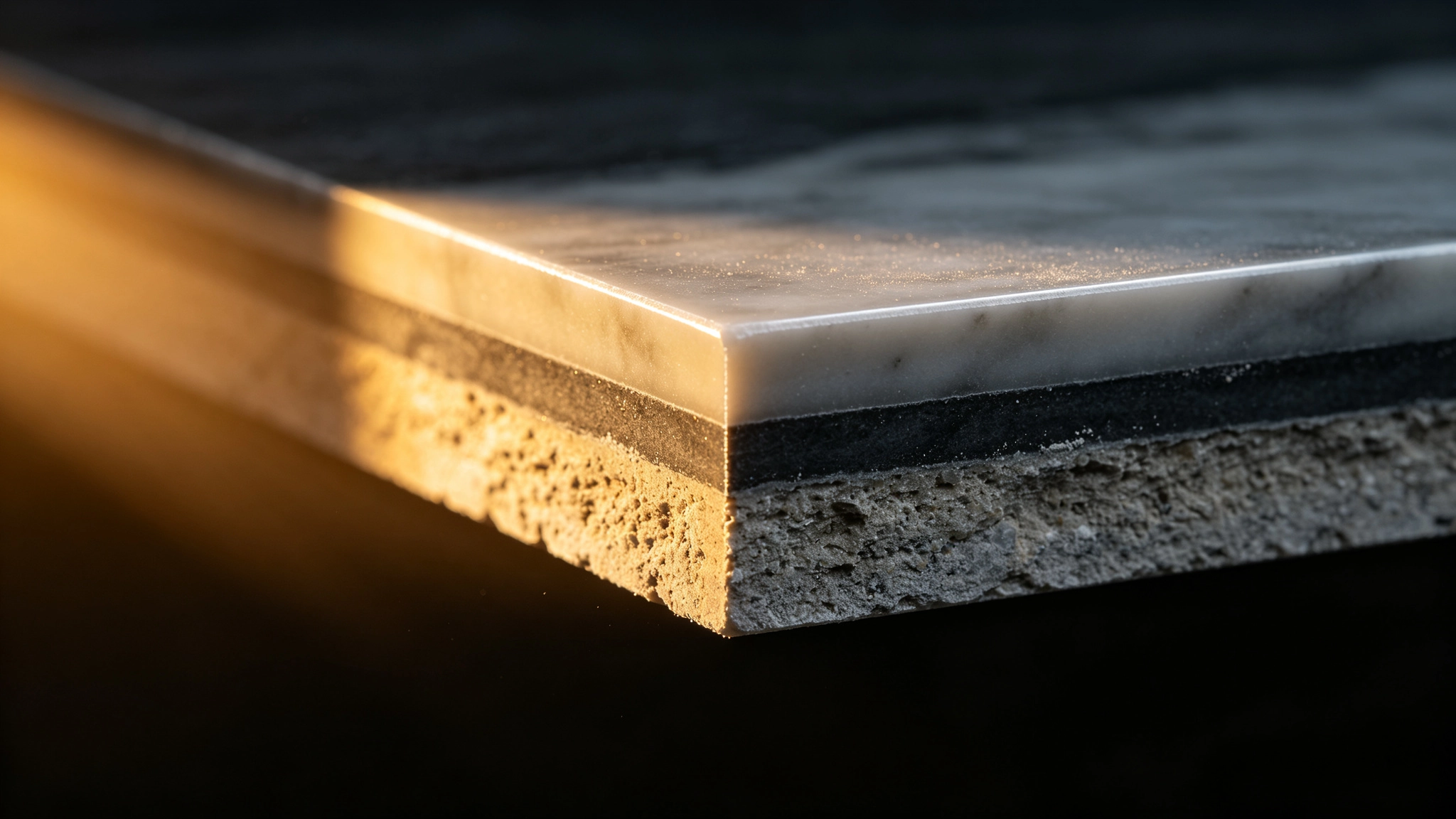
Australian fabrication businesses are increasingly processing porcelain slabs, sintered stone and engineered surfaces alongside traditional granite and marble. These materials can be difficult to process manually because of edge chipping, surface cracking, heat generation, tool wear, material vibration and tight dimensional tolerances.
CNC-controlled equipment allows feed speed, blade movement, cutting path and processing sequence to be programmed according to the material and application. This is particularly important for high-value projects: a fabricator cannot afford to lose an expensive slab because of inconsistent manual cutting.
Automated Workflows Are Changing Factory Layouts
Modern automation is changing how stone factories organize their production floors. Instead of building a workshop around individual manual workstations, many businesses are creating more connected production workflows:
Slab Storage → Loading → CNC Cutting → Edge Processing → CNC Machining → Quality Inspection → Packing
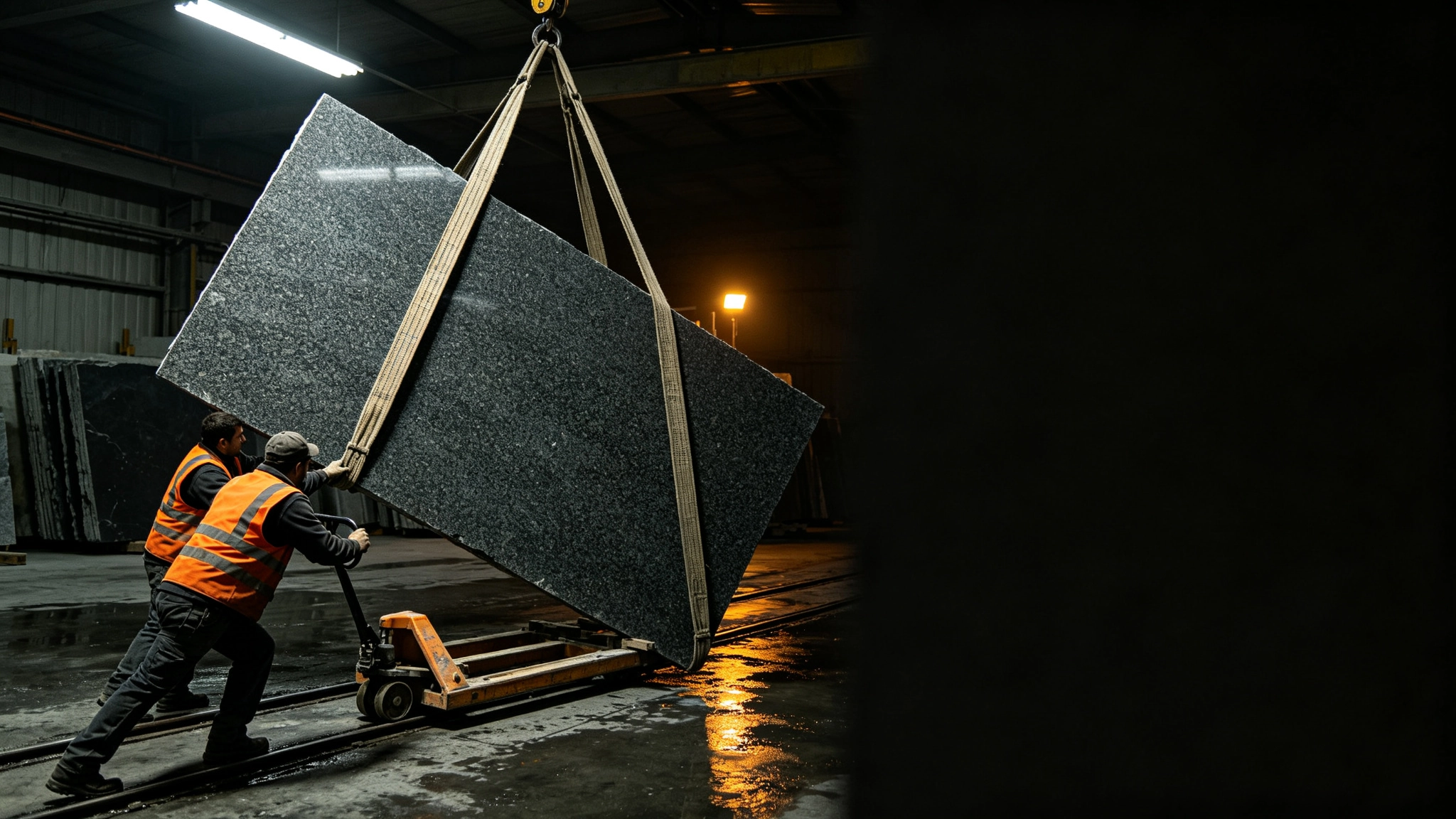
Material handling is one of the hidden labor costs in stone fabrication. Better factory layouts can reduce forklift movement, manual lifting, waiting time between processes, operator walking distance, material congestion and production bottlenecks.
Calculating ROI Requires More Than Machine Price
When purchasing CNC equipment, the right question is not only how quickly the machine will pay for itself. A proper ROI calculation should include labor savings, increased production capacity, reduced material waste, faster project turnaround, reduced outsourcing and new business opportunities.
The biggest financial benefit often comes from the combination of these factors. A CNC machine does not simply replace labor; it changes the overall economics of production.
The Future of Stone Fabrication in Australia Will Be More Automated
Rising labor costs are unlikely to be a temporary issue. Stone fabrication businesses need production systems that can maintain profitability even when wages, recruitment costs and compliance requirements continue to increase.
CNC automation provides a practical solution by reducing repetitive manual work, improving cutting accuracy and allowing smaller teams to manage more production. The factories adapting most successfully are not simply replacing workers with machines. They are redesigning their entire production process.
For Australian stone fabrication businesses, automation is no longer only about increasing production speed. It is becoming a strategy for controlling costs, improving consistency and remaining competitive in a changing labor market.
Build a more standardized, scalable workflow.
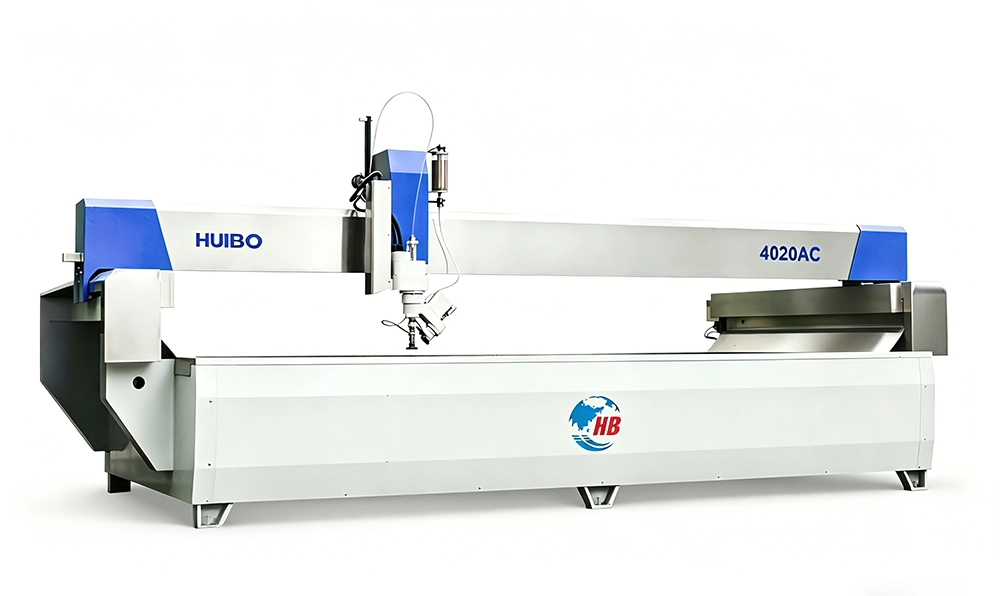
Midecnc provides CNC stone machinery designed to support modern fabrication workflows, including CNC bridge saws, 4+1 Axis bridge saws, 5 Axis CNC bridge cutting machines and CNC waterjet cutting systems.
Explore CNC solutions